Welcome to our Daily 9 AM 'Opener' blog post on Women's Wellness! At Caring Hearts Psychiatry Inc., we believe that health is not a destination but a continuous journey of aligning your body and your mind. Today, we are diving deep into the foundations of nutritional health for women and how a balanced plate is your strongest ally in achieving sustainable weight loss for women.
If you are looking for a comprehensive approach to your well-being, be sure to visit www.chpsychiatry.com/wellness for resources tailored to your unique journey.
The Foundation: Why Nutritional Health for Women is Different
When it comes to nutrition, a "one size fits all" approach rarely works, especially for women. Our bodies are complex biological systems influenced by hormonal shifts, life stages, and different metabolic rates compared to men. To master nutritional health for women, we must first understand that our caloric and nutrient needs are unique.
Generally, adult women require between 1,600 and 2,400 calories per day. However, this isn't just about the number on the back of a package. It’s about nutrient density. Because women naturally have a higher body fat percentage and less muscle mass than men, every calorie we consume needs to work harder for us.

Building Your Evidence-Based Plate
A balanced approach to eating isn't about restriction; it's about abundance, abundance of the right things. Following an evidence-based framework, you should aim to structure your meals using the following proportions:
- Half the Plate: Fruits and Vegetables. These provide essential fiber, vitamins, and antioxidants. Diversity is key here, think of eating a rainbow to ensure you’re getting a wide spectrum of phytonutrients.
- One-Quarter: Lean Protein. Protein is the building block of muscle and a vital component in keeping you full. Options include seafood, poultry, eggs, legumes, and seeds. Interestingly, most women do not consume enough seafood; aiming for 8 to 10 ounces per week is a great goal for heart and brain health.
- One-Quarter: Whole Grains. Switch out refined white breads for quinoa, brown rice, or oats. These provide the complex carbohydrates needed for sustained energy throughout the day.
- The "Plus": Healthy Fats. Don't fear fats! Unsaturated fats found in olive oil, avocados, and nuts are essential for hormone production and brain health.
The Psychological Component: Stress Eating and Weight Loss
At Caring Hearts Psychiatry Inc., we specialize in the intersection of mental health and physical wellness. One of the biggest hurdles in weight loss for women is the phenomenon of stress eating weight loss interference.
When we are stressed, our bodies release cortisol, which can trigger cravings for high-fat, high-sugar "comfort" foods. This isn't a lack of willpower; it's biology. Understanding the "Hungry Brain" is the first step toward breaking the cycle. If you find yourself reaching for food when you’re overwhelmed, you aren't alone. We explore this deeply in our guide on Understanding Emotional Eating.
Managing stress eating weight loss challenges requires a personalized approach that addresses the root cause of the stress while providing nutritional safety nets. By stabilizing your blood sugar through consistent, nutrient-dense meals, you can reduce the biological urge to binge during high-pressure moments. For more on breaking this cycle, check out our insights on how to stop the emotional eating cycle.
Essential Nutrients Every Woman Needs
To truly master nutritional health for women, we must look at the specific "power players" in our diet:
- Iron: Women are at a higher risk for iron-deficiency anemia, particularly during childbearing years. Incorporating lean meats, beans, and fortified cereals is essential.
- Calcium and Vitamin D: Crucial for bone density, especially as we age. Aim for three cups of low-fat dairy or fortified alternatives daily.
- Folic Acid: This is vital for cell growth and is particularly important for women of childbearing age to prevent birth defects and support overall cellular health.
Weight Loss for Women: A Modern, Clinical Approach
In 2026, we have moved beyond the "diet culture" of the past. We now understand that weight loss is often a metabolic challenge that requires clinical supervision. For many women, traditional dieting fails because it doesn't address the underlying metabolic resistance.
We are seeing a revolution in how we handle weight management. From the rise of oral GLP-1s to the importance of clinical supervision, the focus has shifted toward safety and long-term sustainability. The key is to treat your body with compassion while using the best evidence-based tools available.

Practical Tips for a Healthier You
- Hydrate Often: Sometimes thirst is disguised as hunger.
- Meal Prep Simple Dinners: Stress often leads to poor choices at 6 PM. Having a plan, like these 7 healthy dinners under 30 minutes, can be a lifesaver.
- Move Your Body: Aim for 150 minutes of moderate activity a week. It’s not just about calories; it’s about mood regulation.
- Identify Your Triggers: Recognize when you are eating for fuel versus eating for emotion. Avoid common stress eating mistakes by being mindful of your environment.
CURVE Collective: Sexy, Curvy, Cool!
We are so excited to introduce our latest initiative designed specifically for women who want to reclaim their confidence and their health.
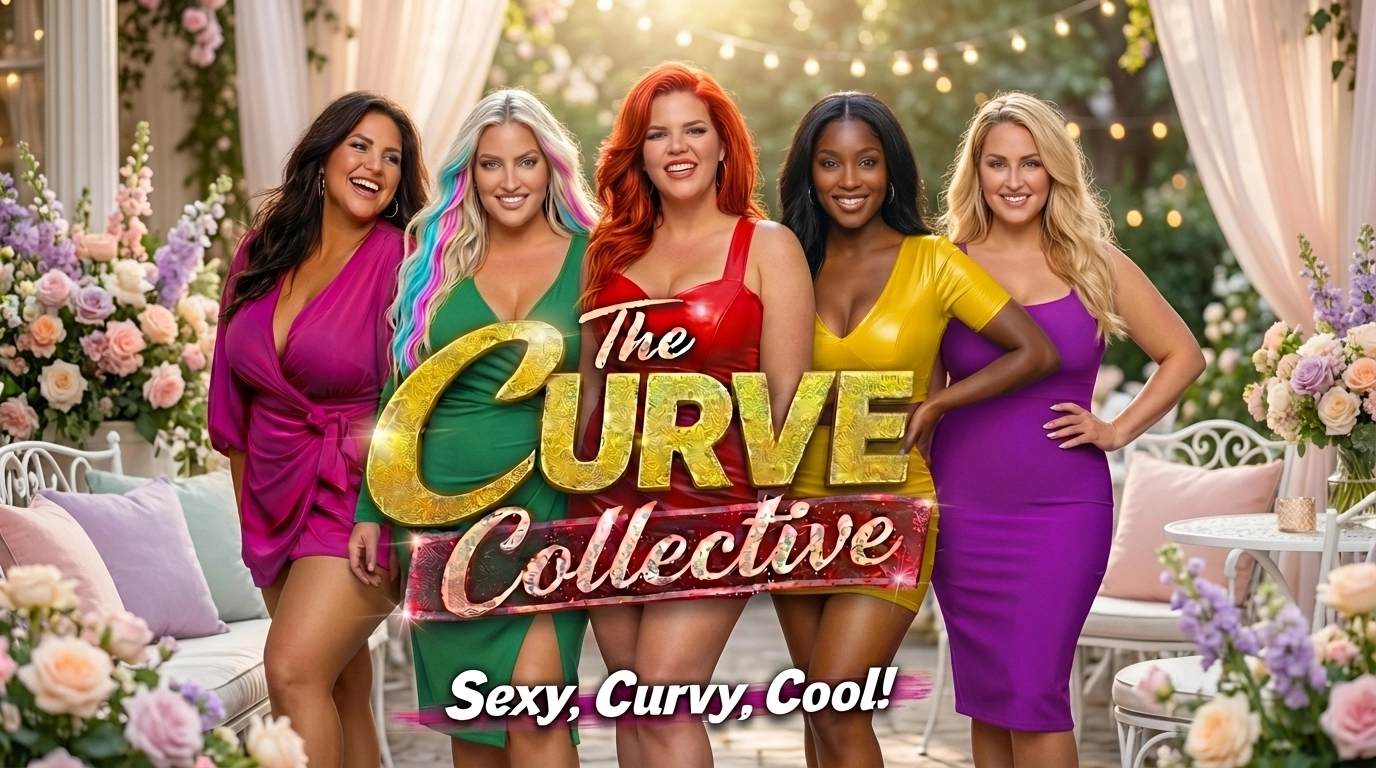
CURVE Collective: Sexy, Curvy, Cool! is our specialized program that celebrates the female form while prioritizing metabolic health and mental wellness. We believe that you don't have to fit into a specific box to be healthy. We focus on being "Sexy, Curvy, Cool": embracing your natural shape while ensuring your body is functioning at its absolute peak.
This program integrates the latest in metabolic psychiatry with personalized nutritional planning. We don't just give you a meal plan; we help you rewire your relationship with food and your body.
Email your interest to veronica@chpsychiatry.com to learn more about how you can join this exclusive collective.
Part 1 of a 3-Part Series
This blog post is the first in our three-part series on Nutritional Health for Women 101. In our next installment, we will take a deeper dive into "Metabolic Fueling," where we discuss how to synchronize your eating habits with your natural hormonal cycles for maximum energy and effortless weight management.
Stay tuned, and remember: your health is an investment, not an expense.
About the Author

Nurse Jenny
The Friendly Face of Caring Hearts Psychiatry Inc.
Nurse Jenny is a dedicated advocate for women’s health with years of experience in both clinical nursing and holistic wellness. She believes in a "whole-person" approach to medicine, combining evidence-based clinical practices with a warm, empathetic touch. When she’s not helping clients navigate their wellness journeys, she enjoys exploring local hiking trails and experimenting with nutrient-dense recipes in her kitchen.
Quick Links:
Office Hours:
Monday – Friday: 9:00 AM – 5:00 PM
Saturday: By Appointment
Email your interest to veronica@chpsychiatry.com
The Hungry Brain: Food, Mood or Biology?