
Have you ever found yourself standing in front of the pantry at 10:00 PM, searching for something, anything, to take the edge off a stressful day? Or maybe you’ve realized you’ve polished off an entire bag of chips while watching a movie, not because you were hungry, but because you were bored or anxious.
If this sounds familiar, you are certainly not alone. At Caring Hearts Psychiatry Inc., we see many individuals who struggle with the complex relationship between their feelings and their food. In fact, research suggests that approximately 75% of eating is emotionally driven rather than driven by true physical hunger.
Emotional eating is a deeply human experience, but when it becomes the primary way we cope with life, it can interfere with our mental health wellness and physical well-being. Today, we’re diving into why this happens, how to tell the difference between "stomach hunger" and "heart hunger," and practical, evidence-based steps to help you regain control.
What Exactly Is Emotional Eating?
At its core, emotional eating is the practice of consuming food in response to feelings rather than biological need. It’s using food as a tool to soothe, suppress, or distract ourselves from difficult emotions like stress, sadness, loneliness, or even boredom.
While it is often associated with "negative" emotions, emotional eating can also happen during times of celebration or high excitement. The common thread is that the food isn't being used for fuel; it’s being used as a psychological band-aid.

The Science: Why Your Brain Craves Comfort Food
It isn’t a lack of willpower that drives you toward the ice cream carton after a tough meeting, it’s actually a complex biological response. When we experience stress, our bodies release a hormone called cortisol. Historically, cortisol helped our ancestors survive by triggering a "fight or flight" response that required immediate energy. In the modern world, our stressors are usually mental (deadlines, bills, or family conflict), but our bodies still react the same way, signaling us to seek out high-calorie, sugary, or salty foods for a quick energy burst.
Furthermore, eating these "comfort foods" triggers the release of dopamine in the brain. Dopamine is the "feel-good" neurotransmitter associated with reward and pleasure. When you eat something delicious, your brain records that hit of pleasure and files it away as a successful coping mechanism. The next time you feel down, your brain reminds you: "Hey, remember how good that chocolate made us feel last time?"
This creates a powerful cycle that can eventually lead to habits resembling binge eating, where the urge to eat becomes overwhelming and difficult to stop.
Physical Hunger vs. Emotional Hunger: How to Tell the Difference
One of the biggest hurdles in breaking the cycle is learning to recognize what "real" hunger feels like. Because emotional eating can feel so urgent, it’s easy to mistake it for a physical need. Here is how you can tell them apart:
1. The Speed of Onset
- Emotional Hunger: Hits you suddenly. One minute you’re fine; the next, you’re "starving."
- Physical Hunger: Comes on gradually. Your stomach might growl a little at first, and the feeling slowly intensifies over an hour or two.
2. The Specificity of the Craving
- Emotional Hunger: Usually demands a specific food: usually something high-fat or high-sugar (like pizza or cookies). Only that one thing will satisfy the "itch."
- Physical Hunger: You’re open to different options. While you might prefer a burger, a salad or an apple actually sounds like it would hit the spot too.
3. The Location of the Sensation
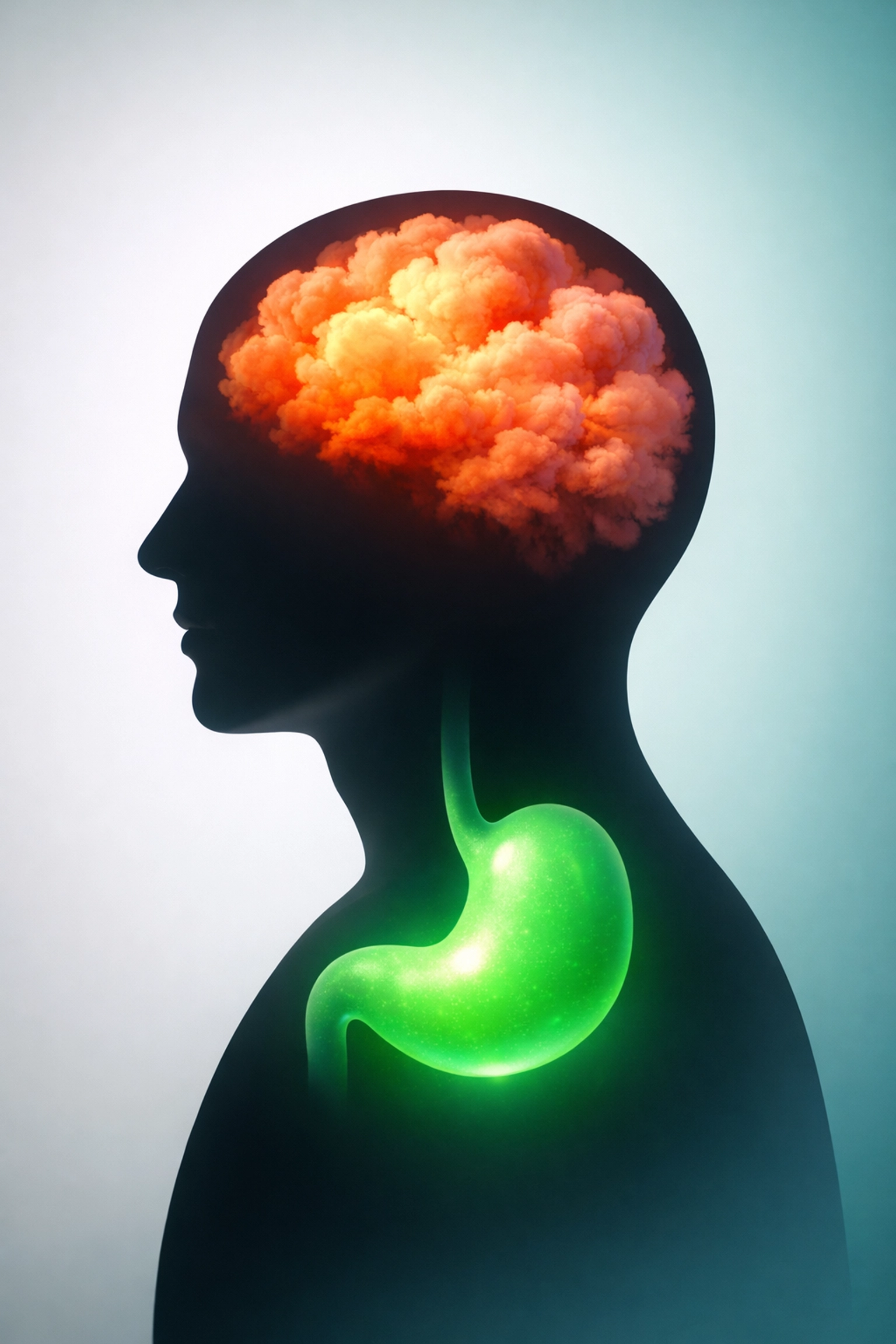
- Emotional Hunger: It’s "above the neck." You feel it in your mouth, your mind, or your throat. You’re tasting the food in your head.
- Physical Hunger: It’s "below the neck." You feel it in your stomach through growling, a hollow sensation, or even a slight lightheadedness if you’ve waited too long.
4. The Feeling of Fullness
- Emotional Hunger: You often don't stop when you're full. Because you're trying to fill an emotional void rather than a physical one, you may eat until you are uncomfortably stuffed.
- Physical Hunger: You are more likely to stop eating when your stomach sends the signal to your brain that it’s satisfied.
Common Triggers: What’s Pushing the Button?
Understanding your "why" is the first step toward change. Common triggers for emotional eating include:
- Stress: High-pressure environments at work or home lead to chronic cortisol elevation.
- Stuffing Emotions: Using food to "silence" feelings you don’t want to deal with, such as anger or grief.
- Boredom or Emptiness: When life feels stagnant, food provides a temporary sense of excitement or "something to do."
- Social Influences: Eating because everyone else is, even if you aren't hungry.
- Childhood Habits: If you were rewarded with sweets for being "good" or comforted with food when you were hurt as a child, those patterns often carry into adulthood.
If you find that your relationship with food is tied to past experiences, seeking psychotherapy can be an incredibly effective way to untangle those roots and build healthier coping mechanisms.
Practical Mindfulness Tips to Stop the Cycle
Breaking the cycle of emotional eating isn't about dieting: it’s about changing your relationship with your emotions. Here are some evidence-based mindfulness tips to help:
1. The 5-Minute Pause
When a craving hits, tell yourself you can have the food, but you have to wait five minutes first. During those five minutes, check in with yourself. How are you feeling? What happened right before the craving started? Often, the intensity of an emotional craving will peak and then subside if you give it just a few minutes of space.
2. Use the H.A.L.T. Method
Before you reach for a snack, ask yourself: Am I Hungry, Angry, Lonely, or Tired? If you are anything other than hungry, food isn't the solution. If you're lonely, call a friend. If you're tired, take a 10-minute nap or practice deep breathing.
3. Practice "Mindful Bites"
If you do decide to eat, do it without distractions. Put away your phone and turn off the TV. Notice the texture, the smell, and the flavor of every bite. This helps your brain register the pleasure of the food, making you more likely to feel satisfied with a smaller portion.
4. Stimulus Control
If you know that certain foods are "triggers" for you, keep them out of the house for a while. If you have to work for it (like driving to the store), you’re much more likely to stop and think about whether you really want it.

Moving Toward Mental Health Wellness
It is important to remember that emotional eating is a symptom, not the problem itself. It is a sign that your mind is trying to take care of you the only way it knows how. Being kind to yourself is vital. Shame and guilt only fuel the cycle, making you want to eat more to soothe the "bad" feelings about eating.
At Caring Hearts Psychiatry Inc., we believe in a holistic approach to mental health. Sometimes, managing emotional eating requires more than just willpower: it requires professional support to manage the underlying anxiety, depression, or trauma that might be driving the behavior.
Whether you are looking for a wellness coach to help you build better habits or you need a clinical evaluation for conditions like binge eating disorder, our team is here to support you with compassion and expertise.
When to Seek Professional Support
If emotional eating is making you feel out of control, causing significant weight gain, or leading to intense feelings of guilt and depression, it may be time to speak with a professional. You don't have to navigate this journey alone.
Our evidence-based treatments focus on the whole person, ensuring that your mental and physical health are in harmony. You can explore our services or learn more about us to see how we can help you create a life where food is fuel and joy, not a source of stress.
Quick Links & Contact Information
If you’re ready to take the next step toward a healthier relationship with yourself and your food, we invite you to reach out.
- Book an Appointment: Click here to schedule
- Our Services: Explore what we offer
- Resources: View our mental health library
Office Hours:
- Monday – Friday: 9:00 AM – 5:00 PM
- Saturday: By Appointment
- Sunday: Closed
Location:
Caring Hearts Psychiatry Inc. offers virtual and in-person services to ensure accessible care for everyone.
Healing is a journey, and every small step you take toward understanding your emotions is a victory. Let’s work together to nourish your heart and your mind.