
If you’ve spent any time on TikTok or LinkedIn lately, you’ve probably seen the term "Insulin Resistance" popping up in every other health headline. It’s being blamed for everything from midsection weight gain to brain fog and chronic fatigue. But is it just the latest wellness buzzword, or is there something deeper happening beneath the surface of our biology?
I’m Nurse Jenny, and here at Caring Hearts Psychiatry Inc., we believe that mental health and metabolic health are two sides of the same coin. This is the second part of our deep-dive series into women's metabolic health. This morning, we touched on the basics, but now it’s time to get into the science.
If you feel like you’re doing "everything right", eating salads, hitting the gym, and getting your steps, but the scale won't budge, the culprit might not be your willpower. It might be your biology. Understanding insulin resistance is the missing piece of the puzzle for many healthy weight loss programs and a truly effective women's wellness and nutrition strategy.
What Exactly Is Insulin Resistance?
Think of insulin as a key. Every time you eat, your blood sugar rises. Your pancreas releases insulin (the key) to unlock your cells so they can take in that sugar and use it for energy.
When you have insulin resistance, your cells' locks become "rusty." The keys don't work as well as they used to. Your pancreas, being the overachiever it is, pumps out even more insulin to force the locks open. Eventually, your body ends up with high levels of both sugar and insulin circulating in your blood.
Here is the kicker for weight loss: Insulin is a storage hormone. When insulin levels are high, your body is effectively locked in "storage mode." It becomes biologically difficult to burn fat, no matter how few calories you eat.

The PCOS Connection: More Than Just Hormones
For many women, insulin resistance is the silent engine driving Polycystic Ovary Syndrome (PCOS). In fact, up to 70% of women with PCOS have some level of insulin resistance.
When insulin levels are chronically high, it signals the ovaries to produce more testosterone (androgens). This hormonal shift can lead to irregular cycles, acne, thinning hair, and that stubborn "PCOS belly." If your women's wellness and nutrition strategy doesn't address the underlying insulin issue, you’re essentially just putting a band-aid on a much larger metabolic wound.
We often see women struggling with these symptoms who have been told to "just lose weight." But when your insulin is high, losing weight feels like trying to run a marathon through waist-deep mud. This is where evidence-based clinical support becomes a game-changer. You can read more about the intersection of GLP-1, PCOS, and women's wellness here.
The GLP-1 Revolution: A Tool for Biological Reset
You can’t talk about insulin resistance today without mentioning GLP-1 medications (like those used in our medical weight loss programs). GLP-1 is a hormone your body naturally produces to regulate appetite and insulin secretion.
For women with significant insulin resistance, these medications aren't a "cheat code", they are a biological reset. They help your body respond to insulin more effectively and quiet the "food noise" in the brain that is often triggered by blood sugar swings.
At Caring Hearts Psychiatry Inc., we view GLP-1s as a bridge. They allow your body to exit "storage mode" so that your healthy weight loss programs and nutritional changes actually have a chance to work. If you're curious about how this fits into a telehealth setting, check out Nurse Jenny’s guide to mastering medical weight loss from home.
Why Women Face Unique Challenges (The Estrogen Factor)
One reason women are talking about insulin resistance more than men is that our hormones are constantly shifting. Estrogen is actually an "insulin sensitizer", it helps our cells stay responsive to those insulin keys.
As we hit perimenopause and menopause and estrogen levels drop, our risk for insulin resistance skyrockets. This is why many women find that the diet that worked in their 20s suddenly fails them in their 40s and 50s. Your biology has changed, so your women's wellness and nutrition strategy must change too.

Rewriting Your Nutrition Strategy: Science-Backed Insights
So, how do we fix the "rusty locks"? It isn't about extreme restriction or cutting out entire food groups. It’s about eating in a way that respects your blood sugar.
- Protein First: Protein is the most satiating macronutrient and has a minimal impact on insulin. Aiming for 25–30 grams of protein per meal is a cornerstone of any healthy weight loss program.
- Fiber is Your Buffer: Fiber slows down the absorption of sugar, meaning your pancreas doesn't have to hit the "panic button" and flood your system with insulin.
- Smart Carbohydrate Timing: You don't have to give up carbs, but the type and timing matter. Focus on whole-food carbohydrates and try to "clothe" them with protein and healthy fats.
- Mindful Movement: You don't need to spend hours on a treadmill. In fact, for many women with high cortisol and insulin resistance, intense cardio can backfire. Gentle, consistent movement, like what we teach in Jasmine’s 2 PM Flow, can significantly improve insulin sensitivity.
Looking Forward: The CURVE Collective
We know that navigating metabolic health can feel overwhelming. That’s why we created the CURVE Collective. We don't just look at the number on the scale; we look at your hormones, your brain health, and your biology.
CURVE Collective: Sexy, Curvy, Cool!
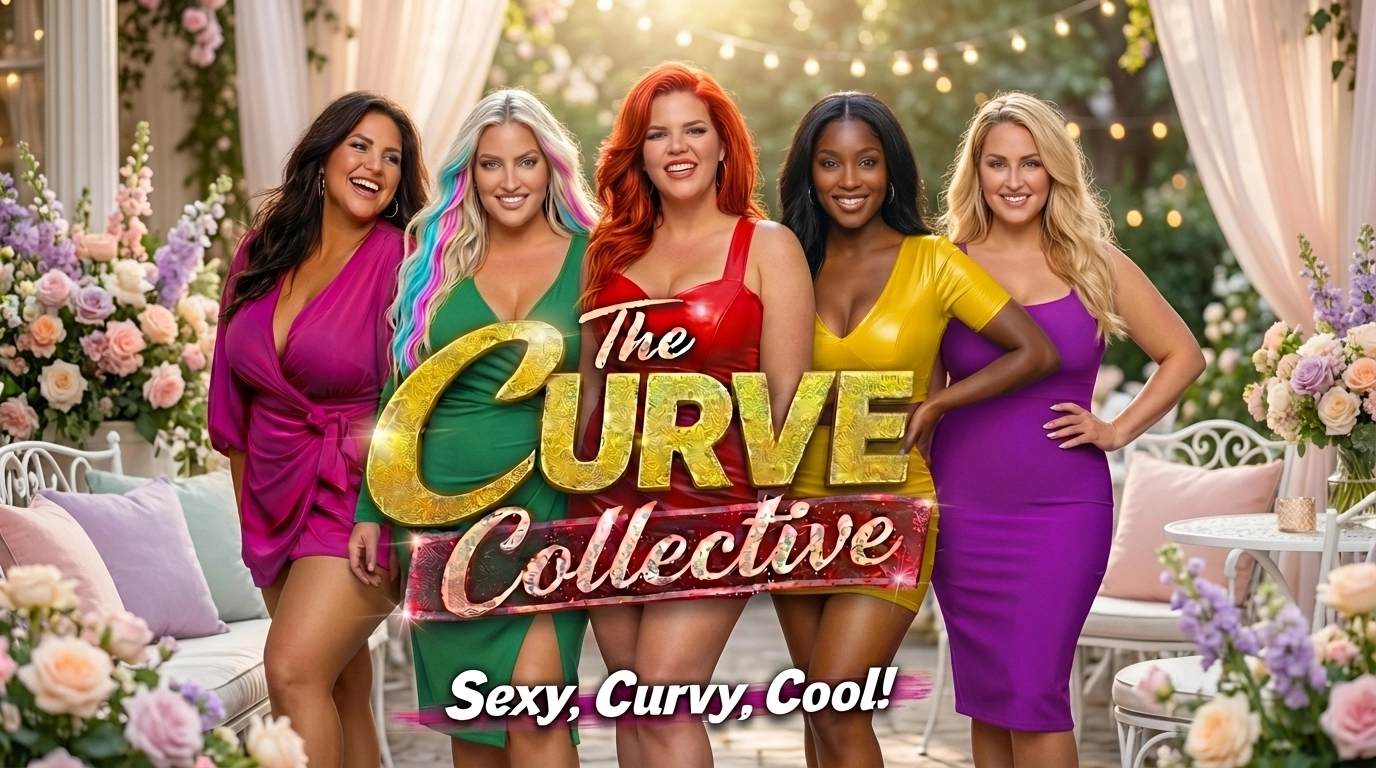
If you’re ready to stop fighting your body and start working with it, we’re here to help. Our approach combines clinical expertise with compassionate, personalized care to ensure you get the results you deserve.
Email your interest to veronica@chpsychiatry.com
Closing Thoughts from Nurse Jenny
Insulin resistance is not a personal failure. It is a biological state that many of us find ourselves in due to genetics, age, and the world we live in. The good news is that it is reversible. By shifting your perspective from "eating less" to "healing your metabolism," you unlock the door to long-term wellness.
Stay tuned for the third part of our series this evening, where we will dive into practical meal planning and recipes designed specifically to stabilize your blood sugar and boost your brain health!

About the Author: Nurse Jenny

Nurse Jenny is a dedicated healthcare professional at Caring Hearts Psychiatry Inc., specializing in the intersection of metabolic health and mental well-being. With a "Friendly Face" and an evidence-based approach, she helps women navigate the complexities of medical weight loss and hormonal balance with compassion and clarity.
Quick Links:
- How to choose the best telehealth provider
- 5 things to know about your weight loss evaluation
- The ultimate guide to nutritional health for women
Contact Us:
Caring Hearts Psychiatry Inc.
Email: veronica@chpsychiatry.com
Office Hours: Monday – Friday, 9:00 AM – 5:00 PM (America/Toronto)
The Hungry Brain: Food, Mood or Biology?