By Nurse Jenny
(The Friendly Face of Caring Hearts Psychiatry)

Good morning, everyone! It is Saturday, March 28, 2026, and I am so glad you’ve joined us for our daily 9 AM "Opener" blog post. Here at Caring Hearts Psychiatry Inc., we believe that mental wellness and physical health are two sides of the same coin. This week, we are diving deep into a new series on Women’s Wellness, focusing specifically on how we can simplify the often-overwhelming world of weight loss for women and nutritional health for women.
We know your life is busy. Between work, family, and personal goals, spending hours tracking every single macro or calorie just isn't sustainable. That is why today, we are talking about how to build a high-impact daily nutrition plan in just five minutes.
If you are looking for more personalized support, don't forget to visit our Wellness Page for resources that bridge the gap between your mood and your food.
The Foundation: Why 5 Minutes is Enough
Most women struggle with nutrition not because they lack willpower, but because they lack a simple system. When we overcomplicate our plates, we increase our stress levels. This stress often leads to cortisol spikes, which can trigger stress eating weight loss setbacks.
By using an evidence-based framework, you can map out your entire day’s nutrition before your morning coffee is even finished brewing. This isn't about restriction; it’s about providing your brain and body with the fuel they need to thrive.

Step 1: Know Your Numbers (The Age-Specific Framework)
Nutritional needs shift as we move through different stages of life. To plan quickly, you need to know your "targets." Based on clinical guidelines for nutritional health for women, here is your quick-reference guide:
Women Ages 19–25
At this stage, your metabolic rate is often at its peak, but your bone density and brain health are still in critical development phases.
- Fruits: 2 cups
- Vegetables: 3 cups
- Protein: 6 ounces
- Grains: 7 ounces
- Dairy: 3 cups
- Healthy Oils: 6 teaspoons
Women Ages 26–50
This is often the "busy era," where career and family demands are high. Managing stress eating weight loss is vital here.
- Fruits: 2 cups
- Vegetables: 2½ cups
- Protein: 5½ ounces
- Grains: 6 ounces
- Dairy: 3 cups
- Healthy Oils: 5 teaspoons
Women Ages 51+
During and after menopause, our nutritional focus shifts toward muscle preservation and metabolic health.
- Fruits: 1½ cups
- Vegetables: 2½ cups
- Protein: 5 ounces
- Grains: 5 ounces
- Dairy: 3 cups
- Healthy Oils: 5 teaspoons
Step 2: The 5-Minute Meal Map
Now that you have your targets, you don't need to count every gram. Instead, use a "category-fill" method. Spend 60 seconds on each of these categories to plan your day:
1. Breakfast (Minute 1)
Pick one grain, one dairy/protein, and one fruit.
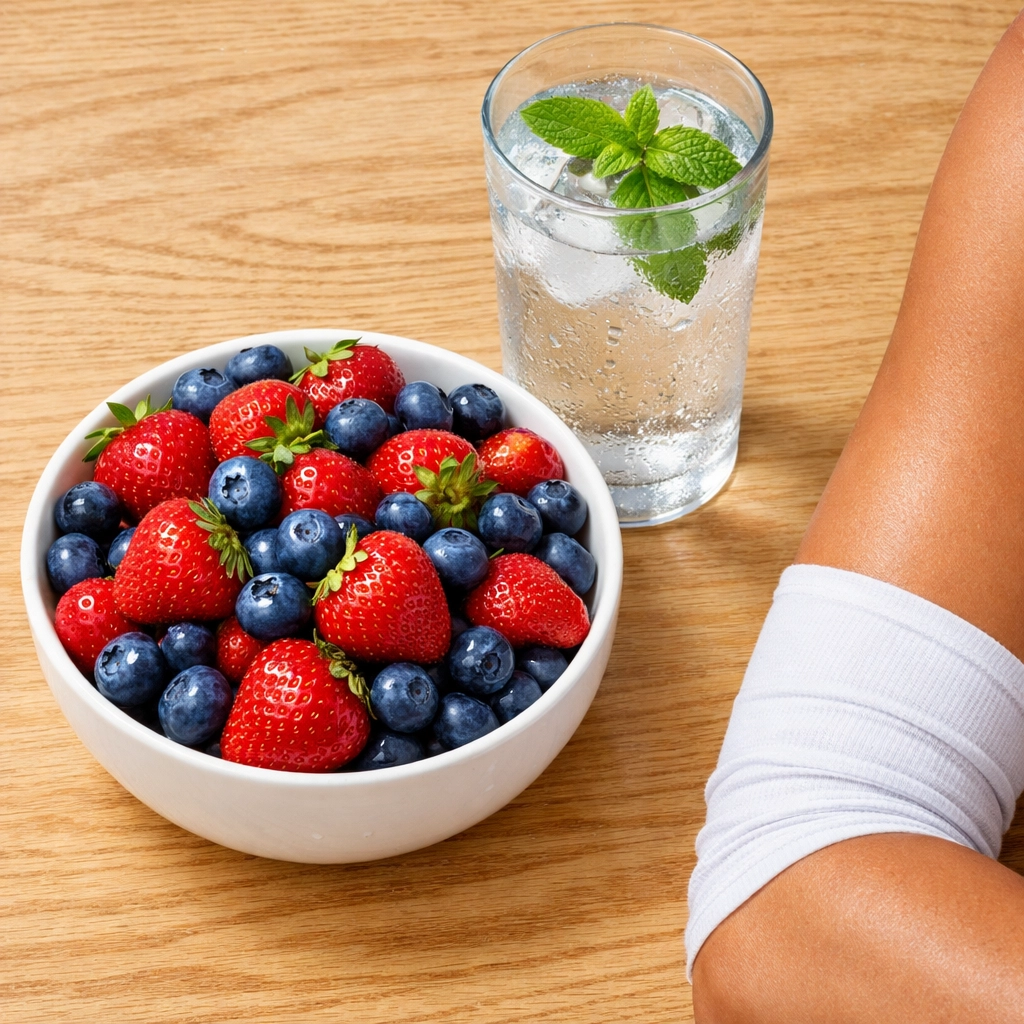
- Example: A bowl of oatmeal (grain) with a splash of milk (dairy) and a handful of blueberries (fruit).
- Why: This combination provides steady glucose to the brain, helping to prevent mid-morning brain fog.
2. Lunch (Minute 2)
Focus on a protein and heavy vegetables.
- Example: A large spinach and kale salad (vegetables) topped with grilled chicken or chickpeas (protein) and a side of quinoa (grain).
- Why: Protein-rich lunches prevent the afternoon "slump" that often leads to reaching for sugary snacks.
3. Dinner (Minute 3)
A balanced ratio of 1/2 plate vegetables, 1/4 protein, and 1/4 grains.
- Example: Baked salmon (protein) with roasted broccoli (vegetables) and half a sweet potato (grain).
4. Snacks (Minute 4)
Fill the remaining gaps in your targets.
- Example: If you missed a serving of dairy, have a Greek yogurt. If you missed your healthy oils, grab a handful of walnuts.
5. Hydration & Adjustments (Minute 5)
Plan your water intake. Aim for half your body weight in ounces as a baseline. Use this final minute to check if you've planned for any known "stress triggers" in your day.
Addressing the "Hungry Brain" and Stress Eating
At Caring Hearts Psychiatry Inc., we understand that weight loss for women is rarely just about the food. It’s about the "The Hungry Brain." When you are stressed, your brain searches for quick dopamine hits, which usually come in the form of high-sugar, high-fat foods. This is why we emphasize understanding emotional eating.
When you create a 5-minute plan, you are removing the "decision fatigue" that leads to stress eating weight loss plateaus. If the plan is already made, your brain doesn't have to fight a battle of wills when you're tired at 5 PM.
Beyond the Plate: Clinical Support for Success
Sometimes, a plan isn't enough. Biology can be a stubborn opponent. For many women, metabolic hurdles require more than just a daily food map. This is where clinical supervision becomes a game-changer.
Modern medicine has provided us with tools that address the biological roots of hunger. You might have heard of GLP-1 medications; we offer insights into why clinical supervision is the ultimate weight loss hack and how new options like oral GLP-1s are revolutionizing how women manage their health in 2026.
Join the Movement: CURVE Collective
If you are ready to stop the cycle of "dieting" and start living a lifestyle that celebrates your body, we invite you to join us. We aren't just a clinic; we are a community.
CURVE Collective: Sexy, Curvy, Cool!

The CURVE Collective is our premier wellness initiative designed specifically for women who want to reclaim their confidence and their health. We combine personalized psychiatric support, metabolic health strategies, and a supportive community to ensure you never have to walk this path alone.
Email your interest to veronica@chpsychiatry.com to learn how you can become part of this transformative movement.
Putting it All Together
Nutritional health for women doesn't have to be a full-time job. By spending just five minutes a day mapping your food against your age-specific needs, you create a safety net for your physical and mental health.
Remember:
- Use the age-group targets to guide your portions.
- Plan the night before or first thing in the morning to avoid decision fatigue.
- Prioritize protein and fiber to keep your brain fueled and your mood stable.
- Seek professional help if you feel your relationship with food is tied to trauma or clinical biological factors. You can explore our Psychotherapy services or meet our Wellness Coach for more targeted help.
We are here to support you every step of the way. Whether you are dealing with ADHD-related impulsivity that affects your eating habits or you are navigating the complexities of trauma recovery, your nutritional health is a vital piece of the puzzle.

Quick Links for Your Wellness Journey
- Need a Plan? Check out 7 Healthy Dinners Under 30 Minutes.
- Want to Learn More? Read about The Brain-Body Hack.
- Ready to Start? Book an Appointment.
Stay tuned for tomorrow’s post, where we will take this a step further and look at the specific micronutrients every woman needs to boost her mood naturally.
Be kind to yourself today. You deserve to feel good in your own skin.
The Hungry Brain: Food, Mood or Biology?