
If you’ve ever felt like you’re doing "everything right", counting every almond, hitting the treadmill until your legs turn to jelly, and resisting the office donuts with the strength of a thousand Spartans, only to step on the scale and see the exact same number staring back at you… you’re not alone. And more importantly, you’re not failing.
For many women, the struggle with weight isn’t a lack of willpower; it’s a biological stalemate. Welcome to the world of insulin resistance.
At Caring Hearts Psychiatry Inc., we see the intersection of mental wellness and metabolic health every day. We know that when your body isn’t processing energy correctly, it affects your mood, your energy, and your self-esteem. Today, we’re diving into the science of insulin resistance weight loss and how you can finally crack the code without resorting to starvation diets.
The "Jammed Lock": What is Insulin Resistance?
Think of insulin as a VIP doorman for your cells. Its job is to take the sugar (glucose) from the food you eat and "unlock" your cells so they can use that sugar for energy. When you have insulin resistance, it’s as if the locks on your cell doors are jammed.
The doorman (insulin) keeps knocking louder and louder, but the cells aren’t listening. To compensate, your pancreas pumps out even more insulin to try and force the doors open.
Here’s the kicker: Insulin is a storage hormone. When levels are chronically high, your body receives a loud, clear signal: Store fat. Do not burn it. This is why you can be in a calorie deficit and still feel like you’re gaining weight just by looking at a piece of bread. It’s not a character flaw; it’s a hormonal traffic jam.

Why Women Experience This Differently
While insulin resistance can affect anyone, women often face unique challenges. From the hormonal shifts of Polycystic Ovary Syndrome (PCOS) to the metabolic slowdown that comes with perimenopause and menopause, our bodies are sensitive to these fluctuations.
When your hormones are out of whack, it doesn't just impact your waistline. It leads to:
- Brain Fog: Your brain isn't getting the glucose it needs for fuel.
- Crushing Fatigue: You’re eating, but the energy isn’t reaching your cells.
- Intense Cravings: Your body thinks it’s starving because the sugar is stuck in your bloodstream, so it screams for more carbs.
This cycle is exhausting, and it’s why a personalized, clinical approach is so much more effective than a generic gym membership.
Stop Starving, Start Healing: The Nutritional Shift
The old-school advice of "eat less, move more" is actually one of the worst things you can do for insulin resistance. If you starve yourself, your body perceives a crisis, spikes your stress hormones (hello, cortisol!), and clings to fat even harder.
To achieve insulin resistance weight loss, we have to focus on food quality and blood sugar stability.
1. The Power of Protein
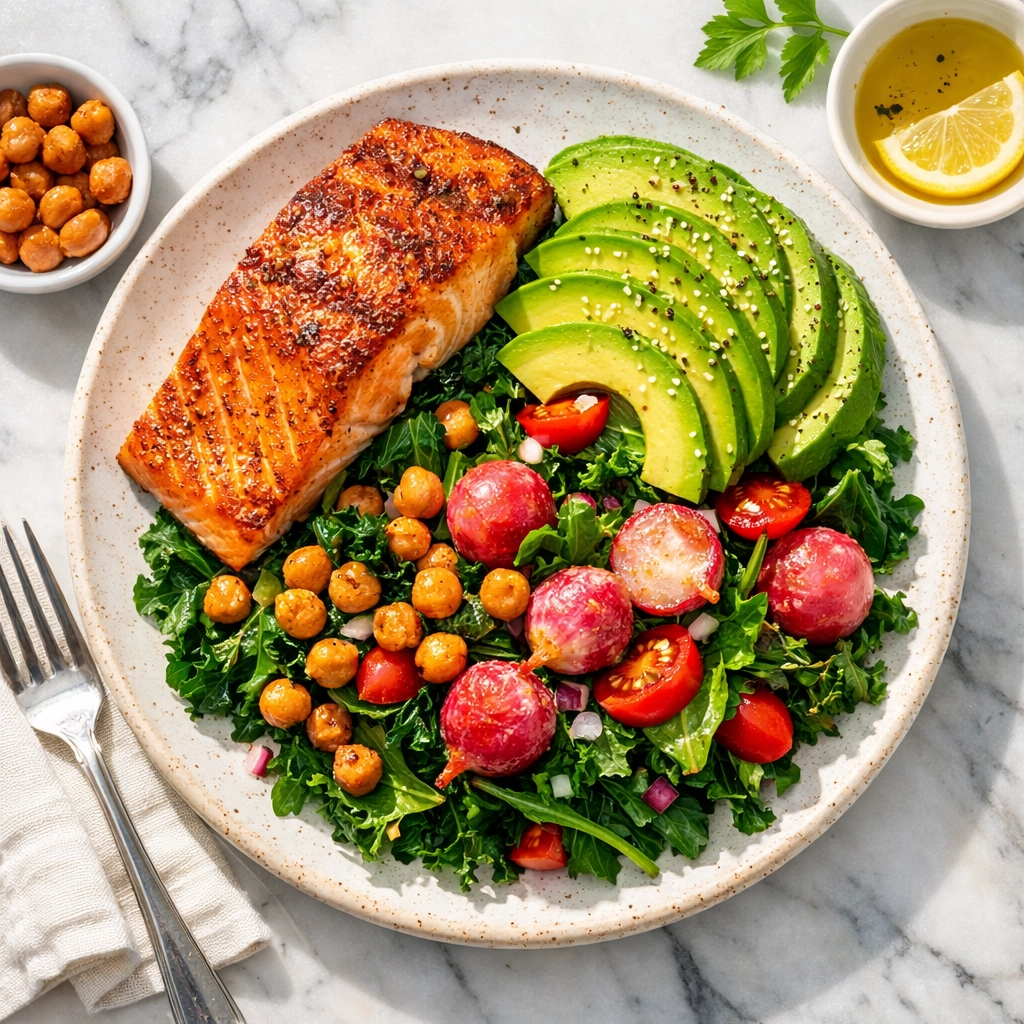
Protein is your best friend. It has a minimal impact on insulin levels and keeps you full. Aim to have a high-quality protein source at every single meal. Whether it’s lean poultry, fish, or plant-based options, protein provides the building blocks for muscle and keeps the "hunger monster" at bay.
2. Fiber is Your Secret Weapon
Fiber slows down the absorption of sugar into your bloodstream. By choosing whole grains, legumes, and heaps of colorful vegetables, you prevent those massive insulin spikes that lead to fat storage. Think of fiber as the "speed bump" for your metabolism.
3. Healthy Fats are Not the Enemy
For decades, we were told fat makes you fat. In reality, healthy fats (like avocados, nuts, and olive oil) have almost zero impact on insulin. They provide satiety and help your brain function.
The "Muscle" Factor: More Than Just Looking Toned
When it comes to exercise, not all movement is created equal for insulin resistance. While we love a good walk for mental health, resistance training is the gold standard for metabolic health.
Muscle tissue is incredibly "insulin sensitive." Think of your muscles as a giant sponge for blood sugar. The more muscle you have, the more places your body has to store glucose without needing a massive surge of insulin. You don’t need to become a bodybuilder; even two days a week of strength training can significantly improve how your body handles carbohydrates.
The Missing Link: Sleep and Stress
You can have the perfect diet, but if you’re only sleeping four hours a night and running on high-octane stress, your insulin levels will remain high.
Chronic stress triggers cortisol, which tells your liver to dump more sugar into your blood for "energy" (the fight-or-flight response). If you aren't actually fighting a saber-toothed tiger, that sugar just sits there, requiring: you guessed it: more insulin.
At Caring Hearts Psychiatry, we emphasize psychotherapy and stress management because your mental state directly dictates your metabolic state. Managing anxiety isn't just about feeling better; it's about helping your body burn fat efficiently.

The Clinical Approach: Why Telehealth and Medication Matter
Sometimes, lifestyle changes need a "booster seat." If your insulin resistance is severe, your body might need clinical intervention to reset the system.
This is where evidence-based medication management comes in. Modern treatments, including GLP-1 medications (like the ones you’ve heard about in the news), work by mimicking natural hormones that improve insulin sensitivity and quiet the "food noise" in your brain.
Through our telehealth services, we provide a safe, discreet, and highly professional environment to discuss these options. We don't just look at the number on the scale; we look at your lab work, your mental health history, and your lifestyle to create a plan that actually works for you.
Why Choose a Psychiatric Perspective for Weight Loss?
You might wonder why a psychiatry practice is talking about insulin. It’s simple: The brain and the body are not separate.
- Metabolic issues often present as depression or anxiety.
- Poor gut health (often linked to insulin resistance) affects neurotransmitter production.
- The shame and frustration of "failed" diets can lead to significant mental health struggles.
By addressing the metabolic root, we often see a massive improvement in our patients' overall mental well-being.
Low-Hanging Fruit: Easy Wins for This Week
If you’re ready to start your journey toward insulin resistance weight loss, here are three "low-hanging fruit" actions you can take right now:
- The "Veggie First" Rule: Eat your fiber (salad or veggies) before you touch your carbs at dinner. This simple change in the order of eating can reduce your post-meal glucose spike by up to 30%.
- The 10-Minute Post-Meal Walk: A quick stroll after eating helps your muscles soak up the glucose you just consumed, lowering the demand on your pancreas.
- Hydrate with Intent: Swap one sugary or "diet" soda for water with lemon. Even artificial sweeteners can sometimes trigger an insulin response in sensitive individuals.

Final Thoughts: It’s Time for a New Narrative
The narrative that weight loss is purely about "eating less" is outdated and, frankly, unkind to those dealing with metabolic hurdles. If you are struggling with insulin resistance, you are fighting an uphill battle against your own hormones.
It is okay to ask for help. It is okay to seek a clinical solution. And it is absolutely possible to feel like yourself again.
At Caring Hearts Psychiatry Inc., we are dedicated to helping women navigate these complex health challenges with compassion and expertise. Whether you need help managing the conditions that lead to weight gain or you're looking for a wellness coach to guide your lifestyle shifts, we are here for you.
Ready to stop the guesswork and start your personalized journey? Book an appointment with us today and let's get your metabolism: and your life: back on track.
Quick Links: