Hey there! I’m Nurse Jenny, and if you’ve been following our daily 3-part series, you know that this morning we started scratching the surface of why the scale sometimes feels like a permanent resident in our lives, no matter how many salads we eat.
At Caring Hearts Psychiatry Inc., we believe that your mental health and your physical health aren't just roommates, they’re soulmates. When one is struggling, the other usually is, too. If you’re looking for real women's wellness and nutrition advice, you’ve probably been told a million times to "just eat less and move more." But if you’re dealing with PCOS, insulin resistance, or the hormonal shifts of perimenopause, you know it’s never that simple.
Today, we’re doing a deep dive into the science. I’m going to share 10 evidence-based truths about hormones and weight that might just change how you look at your body forever.
Meet Your Guide: Nurse Jenny

(Nurse Jenny – The Friendly Face of Caring Hearts Psychiatry)
As a Nurse Practitioner here at Caring Hearts Psychiatry, my mission is to bridge the gap between clinical excellence and compassionate, personalized care. I spend my days helping women navigate the complexities of their bodies and minds. Whether we’re discussing medical weight loss telehealth or managing the anxiety that comes with chronic health issues, my goal is to make you feel heard and supported.
The Science of the "Hungry Brain"
Before we jump into the list, let's talk about the "Hungry Brain." This is a core part of our Metabolic Psychiatry approach. Sometimes, it’s not your willpower that’s failing, it’s a biological signal being sent from your gut to your brain that says, "I’m starving!" even when you’ve had plenty to eat.
When we talk about healthy weight loss programs, we have to address the biology of hunger. Here are 10 truths you need to know:
1. Hormones Don’t Cause Weight Gain, They Change Your Response
It’s a common myth that hormones "make" you gain weight out of thin air. In reality, hormonal shifts change how your body responds to energy. For example, during certain parts of your cycle or during menopause, your body might shift where it stores fat (hello, midsection!) or change your sleep quality. Poor sleep then triggers a rise in hunger hormones the next day. It’s a chain reaction, not a direct "hormone = fat" equation.
2. Weight Gain Actually Causes Hormonal Disruption (The Feedback Loop)
This is a hard truth, but an important one. Often, we think a hormone imbalance caused the weight gain, but science shows it’s frequently the other way around. Excess adipose tissue (fat) acts like an endocrine organ itself. It releases pro-inflammatory signals that can actually cause insulin resistance and disrupt your thyroid and estrogen levels. Breaking this cycle often requires clinical support.
3. "Estrogen Dominance" Is Often Misunderstood
Social media is full of influencers claiming "estrogen dominance" is why you can’t lose weight. However, evidence-based research suggests that low estrogen (like what happens in perimenopause) is actually a bigger culprit for metabolic slowdown and central obesity. Low estrogen affects how your body handles insulin, making women's wellness and nutrition even more vital as we age.
4. Stress + Easy Access to Calorie-Dense Foods = The Perfect Storm
Stress alone doesn’t technically make you gain weight. In a vacuum, acute stress actually burns energy! But we don’t live in a vacuum. We live in a world where chronic, low-grade stress is paired with a pantry full of snacks. Chronic stress keeps cortisol high, which encourages your brain to seek out "reward foods" (high-fat, high-sugar). When cortisol and insulin are high at the same time, your body is in "storage mode."
5. Caloric Balance Still Matters (But Hormones Control the Lever)
We can’t ignore the laws of thermodynamics. To lose weight, you generally need to be in a caloric deficit. However, hormones like leptin and ghrelin control how hard that is to maintain. If your hormones are out of whack, a 500-calorie deficit might feel like a 2,000-calorie starvation to your brain. This is why we focus on wellness coaching to help you manage those signals.

(A balanced plate showing protein, fiber, and healthy fats for hormone regulation)
6. High-Carb Meals Can Actually Help Control Appetite
Wait, what? Didn’t everyone say carbs are the enemy? Science shows that high-quality, fiber-rich carbohydrates are actually very effective at suppressing ghrelin (your hunger hormone). While the "carbohydrate-insulin model" suggests carbs make you fat, research often shows that fat-heavy meals don't suppress hunger as long as complex carb meals do. It’s about the quality of the carb, not the presence of it.
7. Insulin Resistance Is a Communication Breakdown
If you have PCOS or pre-diabetes, your cells have stopped "listening" to insulin. This means sugar stays in your bloodstream instead of fueling your muscles, and your body pumps out even more insulin to compensate. Since insulin is a storage hormone, high levels make it nearly impossible to burn stored fat. This is a primary focus of our healthy weight loss programs.
8. The 9-Hormone Symphony
Weight management isn't just about one hormone. It’s a symphony of at least nine: insulin, leptin, ghrelin, cortisol, estrogen, neuropeptide Y (NPY), GLP-1, CCK, and PYY. If one is playing out of tune, the whole song sounds off. Our job at Caring Hearts is to help you figure out which "instrument" needs tuning.
9. GLP-1: The Game Changer for "Food Noise"
You’ve likely heard of GLP-1 medications. GLP-1 is a hormone naturally produced in your gut. It tells your brain you’re full and slows down stomach emptying. For many women with obesity or PCOS, this signal is weak. Medical interventions that mimic GLP-1 aren't "cheating", they are restoring a hormonal signal that was missing. You can learn more in my GLP-1 101 guide.
10. Muscle Is Your Metabolic Engine
As we age, we naturally lose muscle mass (sarcopenia), which slows our metabolism. However, this isn't inevitable! Strength training and adequate protein intake are the best "hormone stabilizers" we have. Muscle tissue is metabolically active and helps improve insulin sensitivity, making it a cornerstone of women's wellness and nutrition.
Why PCOS and Insulin Resistance Change the Rules
For my ladies dealing with PCOS, I want you to hear me: It is not your fault.
PCOS is a complex endocrine disorder. When you have insulin resistance paired with high androgens, your body is biologically wired to store energy rather than spend it. Traditional "dieting" often fails because it doesn't address the underlying hormonal resistance.
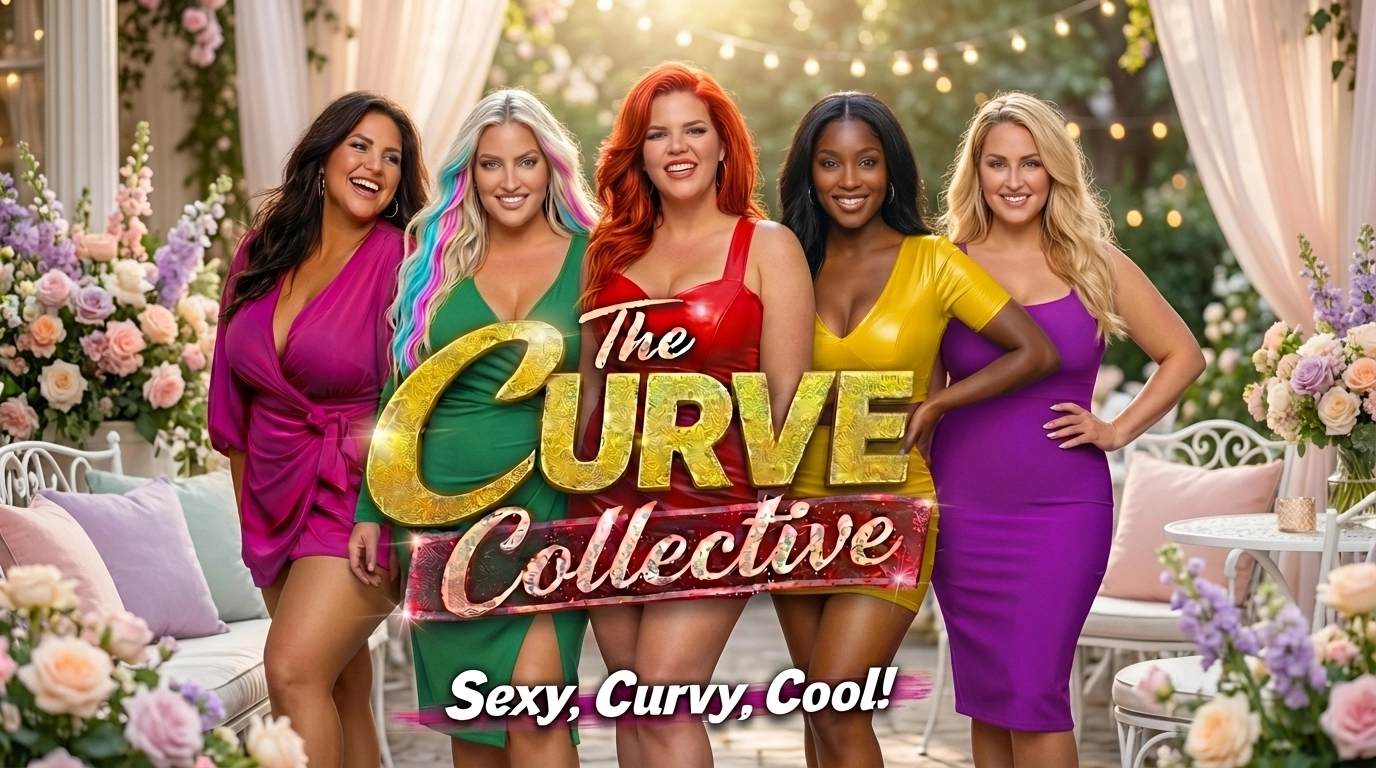
This is why we created the CURVE Collective. We wanted a space that celebrates our bodies while providing the high-level clinical support needed to manage these conditions. We focus on evidence-based nutrition that stabilizes blood sugar without making you feel deprived.

(A supportive group of diverse women representing the CURVE Collective)
CURVE Collective: Sexy, Curvy, Cool!
The CURVE Collective is our specialized initiative designed for women who are ready to stop fighting their bodies and start working with them. We combine psychotherapy, nutritional guidance, and medical oversight to help you reach a healthy weight while feeling confident and empowered.
Ready to Take the Next Step?
Understanding the science is the first step, but applying it to your unique life is where the magic happens. If you’re tired of the DIY approach and want a personalized, evidence-based plan that considers your "Hungry Brain," we are here for you.
Whether you're interested in our healthy weight loss programs, need a telehealth evaluation, or just want to join a community of women who "get it," don't wait.
Email your interest to veronica@chpsychiatry.com
Stay tuned for our third post this evening, where we will talk about the "how-to": practical meal timing and the "2 PM flow" that can stop a binge before it starts.
Be kind to yourself today. Your body is doing its best, and with the right tools, you can help it thrive.
Warmly,
Nurse Jenny
Caring Hearts Psychiatry Inc.
Quick Links:
The Hungry Brain: Food, Mood or Biology?