If you’ve ever walked into your kitchen, stared at a punnet of blueberries, and wondered if they could somehow magically melt away the stress of your day, and maybe a few pounds while they’re at it, you’re in the right place.
Welcome to the first installment of our Brain-Boosting Nutrition series. I’m Chef Jessica, and if people tell me I have a certain "Emma Stone" energy in the kitchen, I take it as a compliment! I’m here to bring a little wit, a lot of science, and some seriously delicious recipes to your wellness journey here at Caring Hearts Psychiatry Inc.
Today, we’re tackling a question that’s been buzzing around the wellness world: Can "brain foods" actually help you lose weight? Or is it all just clever marketing for expensive walnuts?
The Science of the "Brainy" Plate
When we talk about brain foods, we’re usually referring to the MIND diet. This is a hybrid of the Mediterranean and DASH diets, specifically designed to prevent cognitive decline and protect your brain as you age. It emphasizes things like leafy greens, berries, nuts, olive oil, and fatty fish.
But here’s the million-dollar question: Does eating for your brain help you fit into those jeans you’ve been eyeing?
The evidence-based truth might surprise you. A landmark 2023 randomized controlled trial looked at this exact issue. Researchers found that people on the MIND diet lost about 11 pounds over three years. Sounds great, right? However, the control group, the people not specifically eating "brain foods", lost the exact same amount.
The catch? Both groups had reduced their daily intake by 250 calories.
The weight loss wasn't a "magic" chemical reaction triggered by a blueberry; it was the result of a consistent calorie deficit. However, there is a massive "but" here, one that matters deeply for women’s health.

Why Diet Quality Is the Secret Weapon
Even though the weight loss was similar in the study, the group eating the brain-healthy foods had significantly higher diet quality.
When you focus on nutrient-dense "brain foods," you aren't just cutting calories; you’re fueling your biology. Most processed snacks are designed to bypass your "fullness" signals. Brain-healthy foods, like fiber-rich greens and protein-packed salmon, do the opposite. They help regulate your hunger hormones, making it easier to maintain that calorie deficit without feeling like you’re starving.
At Caring Hearts Psychiatry Inc., we look at this through the lens of Metabolic Psychiatry. We believe that your mental health and your physical weight are two sides of the same coin. If your brain is inflamed or nutrient-starved, your willpower will crumble. By feeding the brain, you stabilize your mood, which in turn helps you stop the cycle of emotional eating.
Chef Jessica’s Top 3 "Weight-Wise" Brain Foods
As a chef, I don't just care about the macros; I care about the flavor. If it doesn't taste good, you won't eat it. Here are three brain-boosting staples that naturally support weight management:
- Leafy Greens (The Foundation): Spinach, kale, and collards are high in lutein and folate. They are incredibly low-calorie but high-volume, meaning they fill your stomach and tell your brain, "Hey, we’re good here!"
- Berries (The Sweet Spot): Berries are the only fruit specifically called out in the MIND diet. They are packed with antioxidants called anthocyanins. They satisfy a sweet craving without the insulin spike of a candy bar.
- Walnuts (The Brain Shape): Isn’t it funny they look like tiny brains? They are rich in omega-3 fatty acids, which are essential for neuroplasticity. Because they contain healthy fats and protein, a small handful can keep you satiated for hours.
If you're struggling with the "how" of putting these into a meal, check out our guide on 7 healthy dinners under 30 minutes for some inspiration.
The Brain-Body Hack: Why Your Mind Is Key
We often think of weight loss as a math problem (calories in vs. calories out). But for many women, it’s actually a chemistry problem.
When you are stressed, your cortisol levels spike. High cortisol tells your body to hang onto fat, especially around the midsection. This is why we focus on the brain-body hack. If you don't address the stress, the trauma, or the underlying mental health conditions (like ADHD or depression), the "perfect" diet won't stick.
For instance, did you know that untreated ADHD can lead to impulsive eating? If your brain is constantly seeking a dopamine hit, you’ll find it in a bag of chips. Sometimes the best "weight loss hack" is actually an ADD/ADHD test and professional support.

Stopping the Cycle of Emotional Eating
Let’s be real: no one "stress-eats" a stick of celery. We reach for the high-sugar, high-fat "comfort" foods. Why? Because they provide a temporary escape from uncomfortable emotions.
Chef Jessica’s tip: Instead of focusing on what to remove from your diet, focus on what to add. When you "crowd out" the junk with brain-healthy fats and vibrant veggies, your brain’s chemistry starts to shift. You’ll find that the 3:00 PM sugar crash, and the subsequent binge, starts to disappear.
If you’ve found yourself stuck in this loop, you aren't alone. Understanding why we do it and how to stop the cycle is a core part of our mission here.
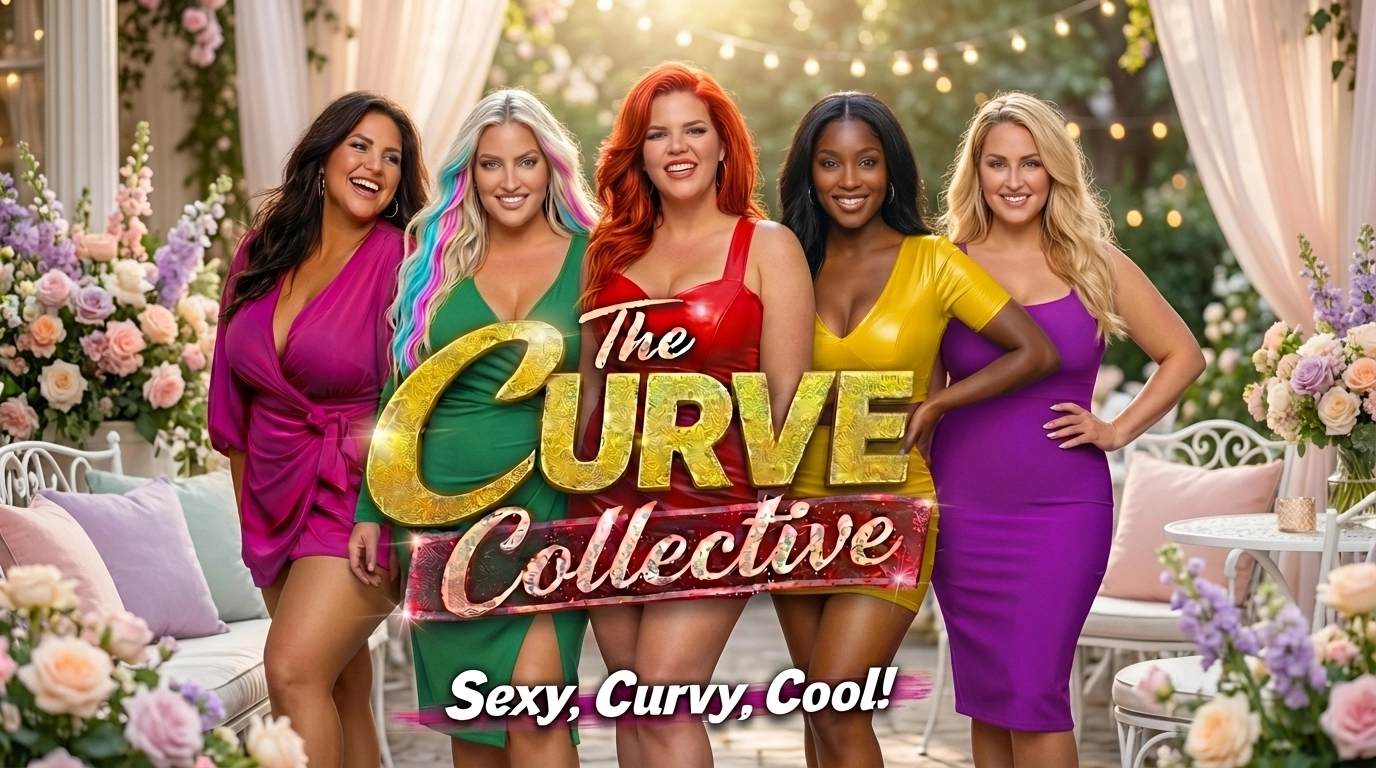
Introducing the CURVE Collective
If you are looking for a community that understands the intersection of mental health, nutrition, and weight loss, you’ve found it. We are thrilled to invite you to join the CURVE Collective.
This is more than just a weight loss program; it’s a movement for women who are ready to stop fighting their bodies and start fueling their brains. We combine clinical supervision, nutritional guidance from experts like myself, and the psychological support you need to make permanent changes. Whether you are interested in the latest medical advancements, such as oral GLP-1s, or you want a personalized wellness coach, we are here for you.
CURVE Collective: Sexy, Curvy, Cool!
If you’re ready to take the next step in your journey toward a healthier brain and a healthier body, we want to hear from you.
Email your interest to veronica@chpsychiatry.com
Conclusion: The Truth Dished
So, do brain foods help you lose weight? Directly? Not exactly. But indirectly? Absolutely.
By prioritizing the health of your brain, you are setting the stage for a sustainable, healthy weight. You’re improving your mood, regulating your hunger, and giving your body the nutrients it needs to handle life’s stressors without turning to the pantry.
Stay tuned for Part 2 of this series, where I’ll be sharing my favorite "Brain-Power Breakfasts" that keep you sharp and satisfied until lunch.
In the meantime, if you feel like your relationship with food is more about your mood than your hunger, consider reaching out for a psychotherapy consultation. We’re here to help you heal from the inside out.
About the Author: Nurse Jenny
Nurse Jenny is "The Friendly Face" of Caring Hearts Psychiatry Inc. With years of experience in clinical mental health and a passion for holistic wellness, she bridges the gap between traditional psychiatry and everyday well-being. Jenny believes that every woman deserves to feel empowered in her health journey, and she is dedicated to providing a warm, safe, and evidence-based environment for all patients.
The Hungry Brain: Food, Mood or Biology?