Welcome back to the third and final installment of our menopause series here at Caring Hearts Psychiatry Inc. If you’ve been following along, we’ve already covered the physical symptoms and the complex world of hormone replacement therapy. Today, we’re getting into the "heart" of the matter: how your nutrition directly impacts your emotional wellness during this transition.
We know that menopause isn't just a physical shift, it’s a psychological one, too. Between the brain fog, the sudden bouts of irritability, and the "why am I crying at this commercial?" moments, it can feel like you’re on a permanent emotional rollercoaster. And often, we look to the kitchen for comfort. If you’ve found yourself reaching for the chips or cookies when the stress hits, you aren't alone. Today, we’re diving into the science of stress eating weight loss and how "low-lift" nutritional habits can help stabilize your mood.
The Connection Between Your Plate and Your Peace of Mind
It’s easy to think of food only in terms of calories or weight, but evidence-based research shows that what we eat is a primary driver of our emotional health. During menopause, your declining estrogen levels don't just affect your period; they affect your brain’s production of serotonin, the "feel-good" hormone.
When serotonin levels dip, your brain looks for a quick fix. This is usually where the sugar cravings kick in. Sugar provides a temporary spike in dopamine and serotonin, but it’s followed by a crash that can leave you feeling more anxious and irritable than before. This cycle is at the core of emotional eating weight loss struggles. By understanding that these cravings are a biological response to hormonal shifts, we can stop the shame cycle and start focusing on evidence-based nutrition.
Tackling the "Stress Eating" Cycle
We hear from many of our clients at Caring Hearts Psychiatry Inc. that they feel like they’ve lost control over their appetite. This is often labeled as a lack of willpower, but in reality, it’s often a result of high cortisol levels. Menopause is a physiological stressor. When your body is under stress, it pumps out cortisol, which tells your body to store fat (especially around the midsection) and seek out high-energy (high-sugar) foods.
If you are looking for stress eating weight loss solutions, the first step isn't a restrictive diet, it’s cortisol management. When we restrict too heavily, we increase our body's stress response, which leads to even more intense "binge" episodes later. Instead, we focus on stabilizing blood sugar to keep those "hangry" mood swings at bay.
Why "Emotional Eating Weight Loss" is Different During Menopause
In your 20s or 30s, you might have been able to "power through" a diet. In menopause, your metabolism is more sensitive to stress. To achieve emotional eating weight loss, the goal is to nourish the nervous system. When your nervous system feels safe and fed, the urgent "need" to stress-eat often diminishes on its own.
Low-Lift Habits for High-Stress Days
Let's be real: when you’re dealing with hot flashes and a demanding job or family life, you probably don’t have the energy for complicated meal prep. That’s why we advocate for "low-lift" habits, small, evidence-based changes that require minimal effort but offer maximum emotional ROI.
- The "Plus-One" Rule: Instead of focusing on what to remove from your diet, focus on what to add. If you’re having a bowl of pasta, add a handful of spinach. If you’re having toast, add an egg or some avocado. Adding protein and fiber slows down sugar absorption, which keeps your mood stable.
- Hydration for Brain Fog: Dehydration can mimic the feelings of anxiety and fatigue. A simple low-lift habit is keeping a flavored (unsweetened) sparkling water nearby.
- The 10-Minute Pause: Before reaching for a snack during a stressful moment, give yourself 10 minutes. Drink some water or take ten deep breaths. If you’re still hungry after 10 minutes, eat! This helps distinguish between physical hunger and an emotional "stress hit."
- Keep "Emergency" Protein Handy: Greek yogurt, hard-boiled eggs, or nuts. When your blood sugar drops, your irritability rises. Having a protein-rich snack ready can prevent a full-blown "menopause meltdown."

Key Nutrients for Emotional Stability
Clinical research suggests that certain nutrients act as "buffers" for the menopausal brain. If you're feeling particularly overwhelmed, checking your intake of these specific items can be a game-changer for your mental wellness.
- Magnesium: Often called "nature’s relaxant," magnesium helps ease muscle tension and manage mood swings. You can find it in dark chocolate (yay!), nuts, seeds, and leafy greens.
- Vitamin B5 (Pantothenic Acid): This contributes to normal mental performance and helps the body manage stress. It’s found in whole grains, eggs, and dairy.
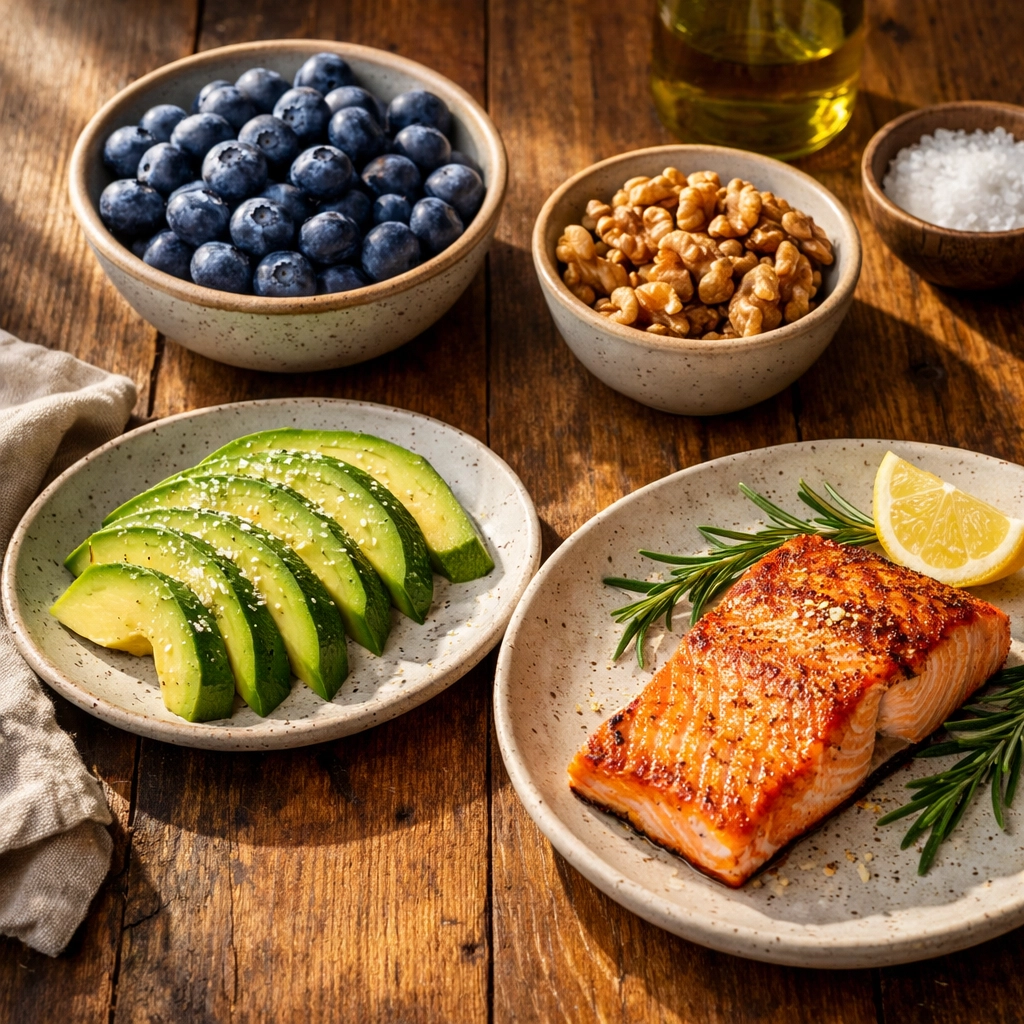
- Omega-3 Fatty Acids: These are essential for brain health and have been shown to help reduce the symptoms of depression and anxiety. Think salmon, walnuts, or chia seeds.
- Fiber: Fiber isn't just for digestion; it feeds your gut microbiome. Since about 90% of your serotonin is produced in your gut, a happy gut equals a happier you.
For more resources on how to balance your lifestyle, check out our Resources page.
Moving Toward an Anti-Inflammatory Mindset
Menopause is naturally a pro-inflammatory state. High levels of inflammation in the body are closely linked to higher rates of depression and "brain fog." This is why diets like the Mediterranean diet are so frequently recommended by healthcare professionals.
Focusing on anti-inflammatory foods: like berries, colorful vegetables, and healthy fats: doesn't just help with physical health; it clears the "cobwebs" from your mind. When inflammation goes down, your brain can process stress more effectively, making stress eating weight loss feel much more attainable.

When Nutrition Isn't Enough: Seeking Professional Support
While nutrition is a powerful tool, it is only one piece of the puzzle. At Caring Hearts Psychiatry Inc., we believe in a holistic, personalized approach to mental health. Sometimes, the emotional toll of menopause requires more than just a change in diet.
If you find that your "stress eating" feels uncontrollable, or if your mood swings are interfering with your quality of life, it might be time to talk to a professional. We offer a variety of services designed to support women through this transition, from psychotherapy to specialized wellness coaching.
Our clinical team can help you determine if your symptoms are purely hormonal, or if there are underlying conditions like trauma or clinical anxiety that need to be addressed. There is no reason to white-knuckle your way through this phase of life.
Final Thoughts on Your Menopause Journey
This concludes our 3-part series on menopause. We’ve covered a lot of ground: from the physical changes to the emotional hurdles and the power of nutrition. If there is one thing we want you to take away, it's this: You are not "going crazy." You are going through a significant biological recalibration.
Be patient with yourself. If you have a day where the "stress eating" wins, don't sweat it. Tomorrow is a new opportunity to nourish your body and your mind.
If you’re ready to take the next step in your wellness journey, we’d love to walk with you. You can learn more about us and the compassionate care we provide to individuals of all backgrounds.
Quick Links & Contact Information
- Book an Appointment: Schedule Here
- Explore Our Services: Our Services
- Read More on Our Blog: Caring Hearts Blog
Office Hours:
Monday – Friday: 9:00 AM – 5:00 PM EST
Saturday: By Appointment Only
Sunday: Closed
Disclaimer: This blog post is for informational purposes only and does not constitute medical advice. Always consult with a qualified healthcare provider regarding any nutritional changes or mental health concerns.
Join our Weight Loss Newsletter for expert tips and updates: https://chpsychiatry.com/wellness-coach/
The information provided is for educational purposes only and is not a substitute for professional medical advice, diagnosis, or treatment. Always seek the advice of your physician or other qualified health provider with any questions you may have regarding a medical condition. Results may vary. Weight loss outcomes depend on individual factors including diet, exercise, and adherence to the prescribed medical plan.