
Welcome back to our deep dive into metabolic health. If you caught Part 1 of our series, you know that insulin resistance isn't just a buzzword: it’s the biological "traffic jam" that keeps your body from using energy efficiently. It’s the primary reason why many people feel like they are doing everything "right" but the scale won't budge. At Caring Hearts Psychiatry Inc., we believe that mental health and physical health are two sides of the same coin. You can't fix the mood if the fuel system is broken.
That is why our Wellness Department is so central to what we do. We aren't just here to talk about symptoms; we are here to help you reset your system from the inside out. Today, we are focusing on the "how": the specific nutritional strategies and lifestyle habits that make insulin resistance weight loss not just possible, but sustainable.
The Foundation: Why Your Grocery List is Your Best Prescription
When your body is insulin resistant, your cells have essentially "muted" the signal of insulin. To get them to listen again, we don’t need to scream louder (by producing more insulin); we need to change the environment. This starts with what you put on your fork.
In our Wellness Department, we focus on evidence-based nutritional health. We don't believe in "crash diets" that leave you irritable and depleted. Instead, we look at foods that stabilize blood sugar and allow your pancreas to finally take a much-needed break.
1. The Fiber "Velvet Rope"
Think of fiber as the "velvet rope" at a high-end club. It controls the flow of sugar into your bloodstream. Without fiber, sugar rushes in all at once, causing an insulin spike. With fiber, it’s a slow, orderly entrance.
- Non-Starchy Vegetables: These are the MVPs. We’re talking leafy greens (spinach, kale, Swiss chard), cruciferous veggies (broccoli, cauliflower, Brussels sprouts), and crisp options like peppers and asparagus. These are high in volume but low in "glycemic load," meaning they don't trigger that massive insulin response.
- The Power of Legumes: If there were a "superfood" for insulin sensitivity, it might be the humble lentil. Research has shown that eating lentils regularly can significantly improve insulin response. They provide a massive hit of soluble fiber that keeps you full and keeps your hormones happy.

2. Protein: The Satiety Secret
Protein is essential for insulin resistance weight loss because it has a minimal effect on blood sugar levels while requiring the body to burn more energy to digest it.
- Lean and Mean: Chicken, turkey, and tofu are excellent staples.
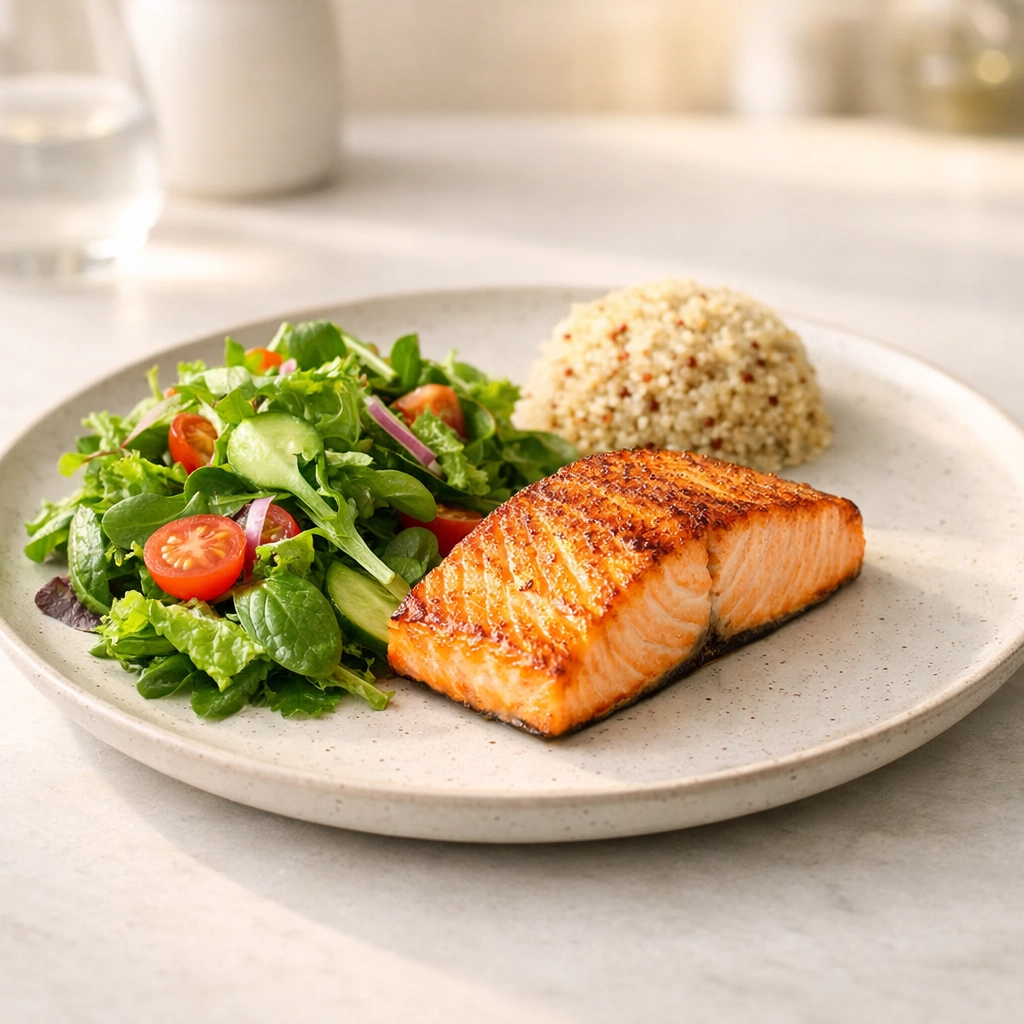
- Omega-3 Rich Fish: Salmon, sardines, and albacore tuna aren't just good for your heart; they are "brain food" that helps reduce the inflammation often associated with insulin resistance. Our Wellness Coach often recommends these to help balance both mood and metabolism.
Cracking the "Order of Operations"
It’s not just what you eat, but how you eat it. Did you know that the sequence of your meal can change your metabolic response?
Research suggests that if you eat your fiber (salad or veggies) and protein before you touch your carbohydrates (like potatoes or rice), you can reduce the post-meal glucose spike by a significant margin. By "buffering" the carbs with fiber and protein, you’re preventing the very insulin surge that leads to fat storage.
It sounds like a small hack, but for someone struggling with insulin resistance, it’s a game-changer. It’s like putting a speed limit on a highway that used to be a free-for-all.
Habits That Move the Needle
At Caring Hearts Psychiatry Inc., we know that "wellness" extends far beyond the kitchen. Your habits act as the supporting cast for your nutrition. To truly "crack the code," we have to look at how you move and how you rest.
The 10-Minute Post-Meal Walk
You don't need to spend two hours at the gym to see results. One of the most effective habits for improving insulin sensitivity is a simple 10-minute walk after your largest meal. When your muscles contract during a walk, they can soak up glucose from your bloodstream without needing a massive amount of insulin. It’s like opening a side door for energy to enter your cells.
Resistance Training vs. Cardio
While we love a good walk, adding some muscle to your frame is like upgrading your car's engine to be more fuel-efficient. Muscle tissue is metabolically active; the more you have, the more "sinks" you have for glucose. Combining light resistance training with aerobic exercise is the gold standard for insulin resistance weight loss.
The Mental Health Connection: Why This Matters to Us
You might be wondering why a psychiatry clinic is so invested in your insulin levels. The answer is simple: Metabolic health is mental health.
Insulin resistance is frequently linked to:
- Brain Fog: When your brain cells struggle to get energy, you feel "cloudy."
- Mood Swings: The "hangry" cycle is real. Blood sugar crashes trigger cortisol (the stress hormone), leading to anxiety and irritability.
- Depression: Chronic inflammation caused by high insulin levels can impact neurotransmitter function.
By working with our Wellness Coach, you aren't just losing weight; you are stabilizing your brain chemistry. We provide a personalized, compassionate approach to ensure that your physical health supports your emotional well-being.

Your Toolkit for Success
If you're ready to start resetting your response today, here is a quick "Quick Start" guide:
- Audit Your Pantry: Trade refined grains (white bread, white rice) for whole grains like quinoa or oats.
- Spice it Up: Use cinnamon, turmeric, and ginger. These aren't just for flavor; they have been shown to naturally improve how your body handles insulin.
- Hydrate Smarter: Swap sugary sodas or "diet" drinks for water with lemon or herbal teas.
- Focus on Berries: If you have a sweet tooth, reach for raspberries or blackberries. They are low-sugar, high-fiber, and packed with antioxidants.
Next Steps with Caring Hearts Psychiatry Inc.
We know that changing your lifestyle can feel overwhelming. You don’t have to do it alone. Whether you are navigating the complexities of PCOS (which we cover in another series!) or simply trying to find a path toward better metabolic health, our team is here to support you.
Our Our Services page outlines how we integrate traditional psychiatric care with nutritional and wellness coaching to provide a truly holistic experience. We believe in evidence-based, clinical solutions delivered with a friendly, human touch.
Ready to build a personalized plan?
You can book an appointment today to speak with our specialists about how to manage your health holistically.
Office Information
- Address: [Insert Physical Address if applicable, otherwise refer to telehealth options]
- Office Hours: Monday – Friday, 9:00 AM – 5:00 PM
- Contact: [Insert Phone/Email]
Stay tuned for Part 3 of our series, where we will discuss the "Missing Links": Sleep, Stress, and the Hormonal Harmony required to cross the finish line of your health journey.
Don't forget to check out our Resources page for more guides on maintaining your mental and physical balance. We are honored to be part of your wellness journey. You’ve got this, and we’ve got you!