Hi there! I’m Nurse Jenny, and I am so glad you’re here. If you caught our morning post, you know we’re diving deep today into a topic that affects millions of women but is often misunderstood or completely overlooked: Insulin Resistance (IR).
At Caring Hearts Psychiatry Inc., we don’t just look at mental health in a vacuum. We believe in Metabolic Psychiatry, the idea that your brain and your body are in a constant, 24/7 conversation. When that conversation gets "noisy" due to hormonal imbalances, your mood, energy, and weight can feel like they are spiraling out of control.
If you’ve ever felt like you’re doing "everything right", eating salads, hitting the gym, counting calories, but the scale won't budge and your brain feels foggy, this guide is for you. Let’s break down the science of insulin resistance and how mastering women’s wellness and nutrition can help you reclaim your life.
What Exactly is Insulin Resistance?
Think of insulin as a VIP usher at a concert. Its job is to take the sugar (glucose) from the food you eat and escort it into your cells to be used for energy. When you have insulin resistance, your cells essentially "lock the doors." The usher (insulin) keeps knocking, but the cells aren't listening.
Because the sugar can’t get into the cells, it stays in your bloodstream. Your pancreas, being the overachiever it is, thinks, "Maybe I just need more ushers!" and pumps out even more insulin. Now you have high blood sugar and high insulin levels.
This creates a metabolic traffic jam. High levels of insulin tell your body one thing very loudly: "Store Fat. Do Not Burn It." This is why many women seeking healthy weight loss programs find themselves stuck despite their best efforts.

The Triple Threat: GLP-1, PCOS, and Your Metabolism
For women, insulin resistance rarely travels alone. It often brings along two "friends" that make weight management and mental clarity even more difficult: GLP-1 dysfunction and PCOS.
1. The GLP-1 Connection
You’ve likely heard of GLP-1 in the context of new weight loss medications, but GLP-1 (Glucagon-like peptide-1) is actually a hormone your body produces naturally in the gut. It tells your brain when you’re full and helps your pancreas release the right amount of insulin. In women with insulin resistance, this signaling pathway is often broken. This is why we focus so heavily on why clinical supervision is the ultimate GLP-1 hack, it’s about fixing the biology, not just the symptom.
2. The PCOS Link
Polycystic Ovary Syndrome (PCOS) is one of the most common causes of infertility and metabolic distress in women. Research shows that up to 70% of women with PCOS have insulin resistance. High insulin levels can cause the ovaries to produce too much testosterone, leading to irregular periods, acne, and hair thinning. It’s a vicious cycle: PCOS drives insulin resistance, and insulin resistance makes PCOS symptoms worse.
3. The "Hungry Brain"
When your cells are resisting insulin, they are literally starving for energy even though you just ate. This sends a panic signal to your brain, leading to intense cravings and emotional eating. It’s not a lack of willpower; it’s a biological survival mechanism.
Identifying the Signs: Is Your Body Resisting You?
How do you know if you’re dealing with IR? While clinical testing is the gold standard, there are several "red flags" to watch for:
- Abdominal Weight Gain: Carrying weight specifically around the midsection (the "apple" shape).
- The "Hanger" Factor: Feeling shaky, irritable, or dizzy if you miss a meal.
- Brain Fog: Feeling like you're moving through a cloud, especially after a high-carb meal.
- Skin Changes: Darkened patches of skin (acanthosis nigricans) around the neck or armpits.
- Intense Sugar Cravings: Feeling like you need sweets to function.
The Waist-to-Hip Test:
A quick evidence-based check you can do at home is measuring your waist-to-hip ratio. Divide your waist measurement (at the smallest part) by your hip measurement (at the largest part). For women, a ratio above 0.8 is often an indicator of abdominal obesity and increased insulin resistance risk.
CURVE Collective: Sexy, Curvy, Cool!
We know that navigating insulin resistance can feel overwhelming. That’s why we created the CURVE Collective. We believe that every woman deserves a personalized approach to wellness that respects her body’s unique biology.
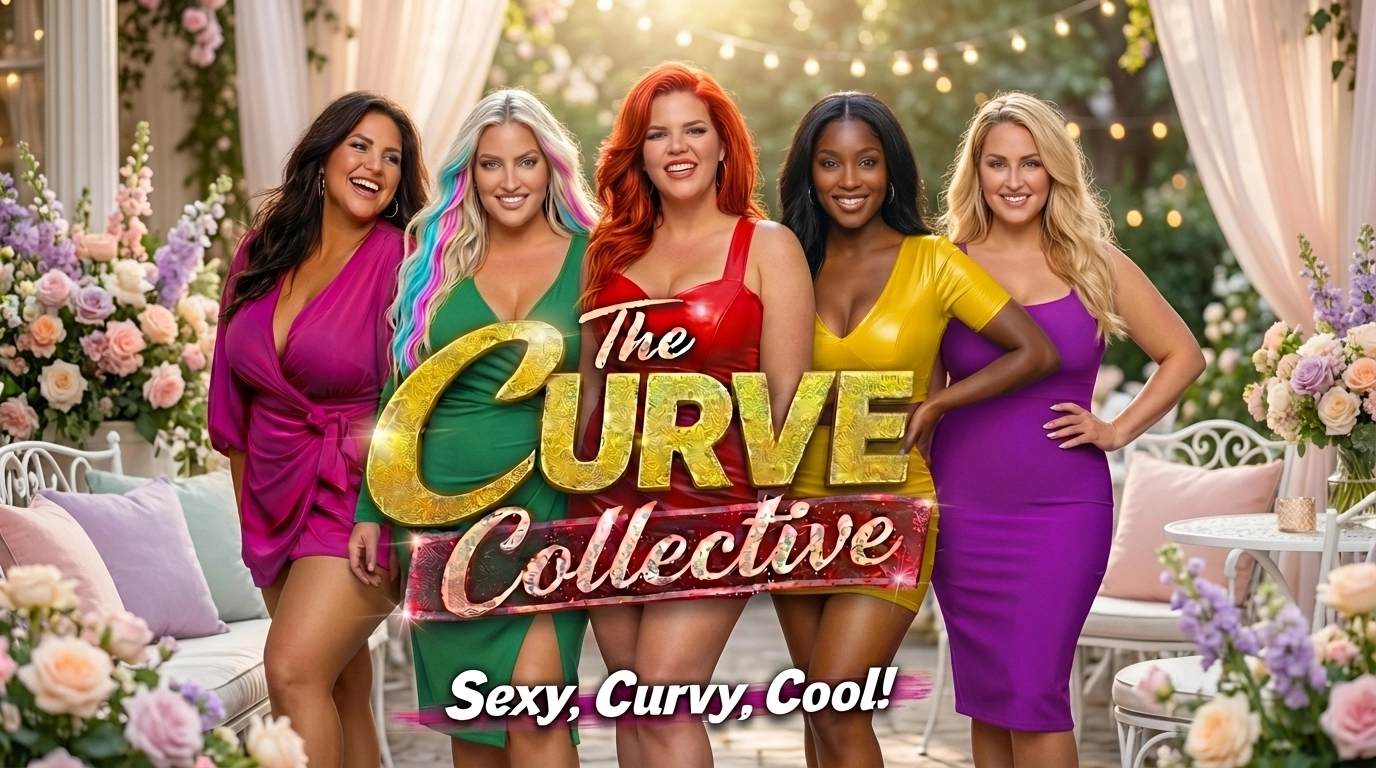
Our program focuses on evidence-based strategies to improve insulin sensitivity, balance hormones, and help you achieve a body you love, not by starving yourself, but by fueling yourself correctly.
CURVE Collective: Sexy, Curvy, Cool!
Email your interest to veronica@chpsychiatry.com to learn how to join our next cohort.
Mastering Women’s Wellness and Nutrition: The Strategy
If you want to reverse insulin resistance, you have to change the "conversation" your hormones are having. Here is our science-backed nutritional framework:
1. Carbohydrate Management
Notice I didn't say "no carbs." Your brain needs glucose! However, we need to choose carbs that don't cause a massive insulin spike.
- The 15g Rule: Aim for no more than 15 grams of net carbohydrates from whole food sources (like berries or leafy greens) per meal.
- Focus on Fiber: Fiber slows down the absorption of sugar, giving your insulin ushers a chance to keep up.
2. Prioritize Protein and Healthy Fats
Protein and fat are your best friends when it comes to stabilizing blood sugar. They provide a slow, steady burn of energy.
- Healthy Fats: Think avocados, walnuts, flax seeds, and extra virgin olive oil.
- Lean Protein: Wild-caught fish, organic poultry, and eggs are excellent choices. Check out these 7 healthy dinners under 30 minutes for inspiration.
3. The Power of Movement
Physical activity is essentially a "magic pill" for insulin sensitivity. When you move your muscles, they can take in glucose without needing as much insulin. You don’t need to run a marathon: 30 minutes of brisk walking or resistance training 3-5 times a week can significantly improve your metabolic health.

The Mental Health Component: Stress and Sleep
At Caring Hearts Psychiatry Inc., we emphasize that you cannot heal a body that is under constant stress. High levels of cortisol (the stress hormone) tell your liver to dump more sugar into your blood, which triggers more insulin.
If you aren't sleeping, your insulin resistance will likely get worse. Just one night of poor sleep can make you as insulin resistant as a person with type 2 diabetes the next morning! This is why our psychotherapy and wellness coaching services are so vital: they help you manage the external stressors that are sabotaging your internal biology.
Can Insulin Resistance Be Reversed?
The short answer: Yes.
Insulin resistance is not a life sentence. With a dedicated focus on women’s wellness and nutrition, lifestyle modifications, and sometimes clinical support (like oral GLP-1 options), you can restore your insulin sensitivity. Research shows that even a 10% reduction in body weight can drastically improve how your body handles insulin.
Ready to Take the Next Step?
You don't have to do this alone. Whether you are struggling with PCOS, menopausal weight gain, or just feel like your metabolism has "broken," we are here to provide an empathetic, professional, and evidence-based path forward.
We offer comprehensive conditions assessments, and if you're curious about how your brain chemistry might be playing a role, you can even take our ADD/ADHD test to see if neurodivergence is influencing your relationship with food and dopamine.
Email your interest to veronica@chpsychiatry.com to find out more about our healthy weight loss programs and the CURVE Collective.
Stay tuned for our final post in this series this evening, where we will discuss "The Reset": a step-by-step plan to kickstart your metabolic healing!
Warmly,
Nurse Jenny
The Friendly Face of Caring Hearts Psychiatry Inc.

About the Author: Nurse Jenny is a dedicated healthcare professional at Caring Hearts Psychiatry Inc. with a passion for metabolic health and its impact on mental well-being. She specializes in helping women navigate the complexities of hormonal balance through a compassionate, personalized lens. When she’s not helping patients, she’s exploring new ways to make "healthy" feel "happy."
The Hungry Brain: Food, Mood or Biology?