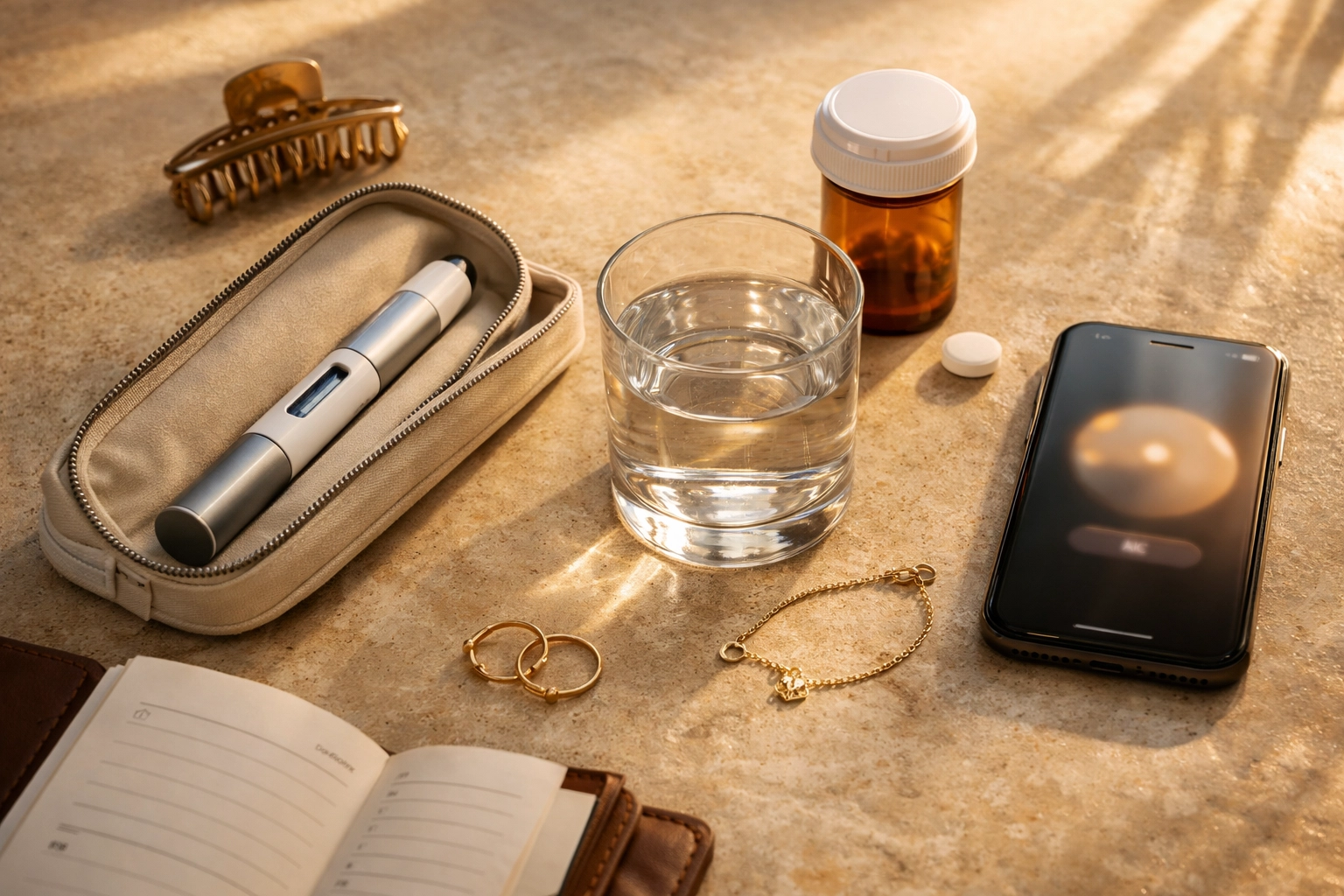
If the idea of a weekly injection makes you want to “start Monday”… forever, you’re not alone. A lot of women are interested in GLP‑1 weight loss medications, but the needle factor can be a real barrier, even when motivation is high.
That’s why oral GLP‑1s (a once‑daily pill) are one of the biggest weight loss trends heading into 2026. They’re not a magic trick, and they still require medical supervision, but they can make evidence-based treatment feel more doable, especially for busy women juggling work, family, stress, hormones, and the mental load of being “everyone’s everything.”
At Caring Hearts Psychiatry Inc., we provide medically supervised weight management support through a secure virtual platform, and we pair medication options with the kind of behavior and mental health support that actually makes results more sustainable.
Quick take: What is an oral GLP‑1 (and why is everyone talking about it)?
GLP‑1 medications mimic a natural hormone that helps regulate appetite and blood sugar. In plain language: they can help you feel full sooner, stay satisfied longer, and reduce “food noise” (that constant mental chatter about what to eat next).
What’s new in 2026: In late December 2025, the FDA approved the first oral GLP‑1 treatment for weight management, meaning some people may now have a pill option instead of an injection.
Why it’s a “hack”: Not because it’s effortless, but because it can remove the biggest friction point for many women: needles and weekly injection logistics.
The important part: Oral GLP‑1s are still prescription medications with real considerations, dosing, side effects, interactions, and the need for ongoing monitoring. The “hack” is convenience. The success is still built on evidence-based care and consistent support.
Oral GLP‑1s vs injectable GLP‑1s: What’s the real difference?
Let’s compare this in the way real life demands: practicality.
1) Dosing schedule: daily discipline vs weekly routine
- Injectable GLP‑1s: Often taken once weekly, which can be easier for some people to remember and maintain.
- Oral GLP‑1s: Typically once daily, but with strict instructions (more on that below).
Bottom line: Oral GLP‑1s can be easier emotionally (no injections), but they may require more daily consistency.
2) Effectiveness: oral can be comparable, when taken correctly
Clinical trial data for the once-daily oral GLP‑1 showed average weight loss around 16.6% from baseline, and about 1 in 3 people lost over 20%. Results were reported as comparable to the weekly injectable version in the trial setting.
Real-world success depends heavily on adherence, especially with medications that have specific administration rules.
3) Cost: may be more affordable (depending on coverage)
Some reports estimate oral GLP‑1s around $149–$299/month, compared with ~$349/month for certain injectable options (pricing and coverage vary widely by plan and region).
Bottom line: Oral options may broaden access for some women, but coverage details still matter.
4) Preference and comfort: the underrated deal-breaker
For many women, the question isn’t “What’s theoretically best?” It’s:
- “What will I realistically follow?”
- “What can I fit into my life?”
- “What won’t trigger anxiety, avoidance, or procrastination?”
If a pill lowers the barrier to starting (and staying consistent), that matters, because the best plan is the one you can maintain.
The “fine print” that matters: how oral GLP‑1s are taken
This is where oral GLP‑1s earn their reputation as both convenient and demanding.
Many oral GLP‑1 protocols require:
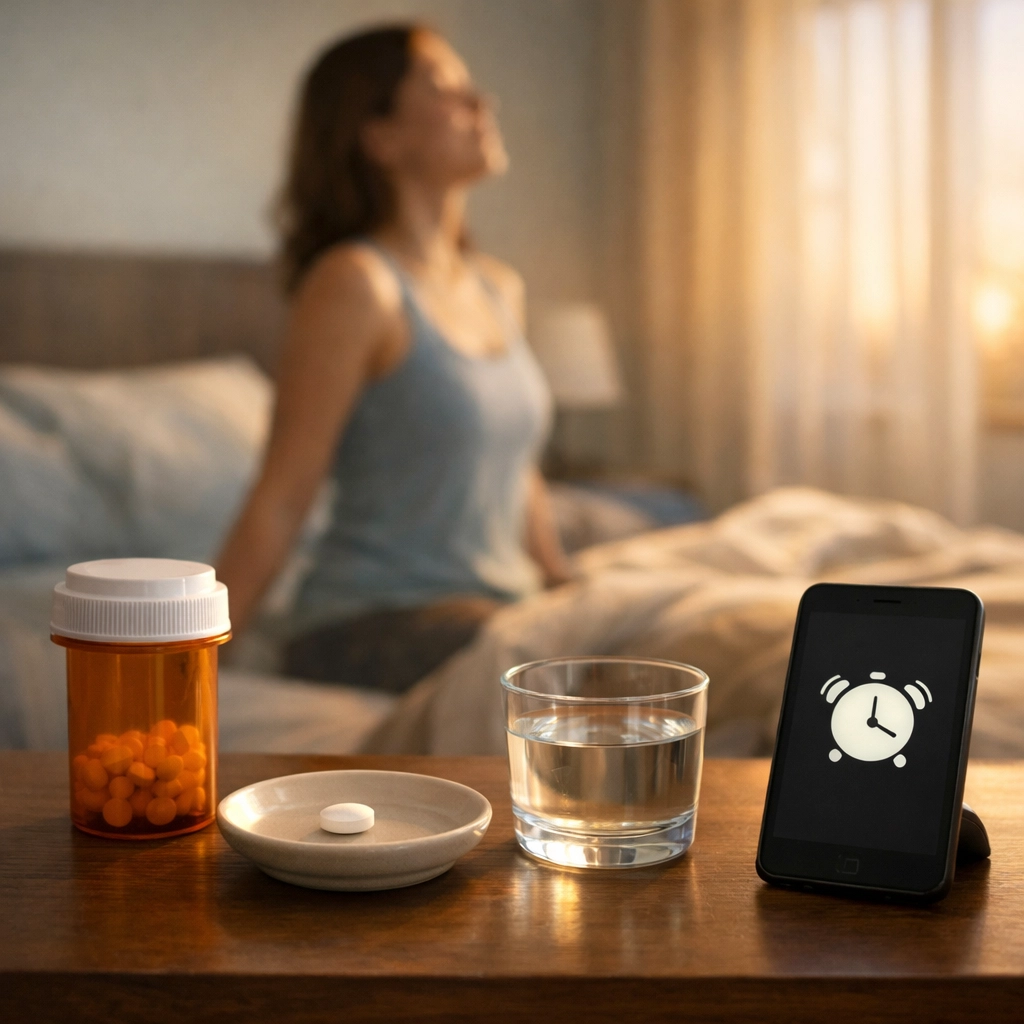
- Taking the pill first thing in the morning
- On an empty stomach
- With no more than 4 ounces of water
- Then waiting 30 minutes before eating, drinking anything else, or taking other medications
And yes, every day.
Why the rules are strict
Oral GLP‑1s can be sensitive to absorption. Food, beverages, and other medications can reduce effectiveness if the timing isn’t right. So the “hack” isn’t “it’s easier.” The hack is “it’s needle-free.” You still need a plan.
A practical way to make it realistic
Women who do best with daily medications often:
- Set a consistent wake time (even if it’s not early)
- Keep the medication and a small glass of water at the bedside
- Use a phone alarm labeled with the exact instructions
- Pair the 30-minute wait with something calming (shower, stretching, journaling, breathing practice)
This is also where professional support can make a difference, because building adherence is not just a willpower issue. It’s a routine + mental health + lifestyle issue.
“Is it safer because it’s a pill?” Not automatically.
It’s tempting to think “pill = gentler.” But oral GLP‑1s are still powerful medications. They can have side effects and they’re not right for everyone.
Commonly discussed GLP‑1 side effects may include:
- Nausea
- Constipation or diarrhea
- Stomach discomfort
- Reduced appetite that can make it hard to meet protein/hydration needs
- Fatigue, especially during dose changes
And there are clinical screening considerations (history, current medications, labs, and your overall health picture).
Our approach at Caring Hearts Psychiatry Inc.: We focus on evidence-based, medically supervised weight management with attention to both physical health and mental well-being, because weight loss success and safety are not separate conversations.
Why women often have a different GLP‑1 experience (and why that matters)
Research has suggested that women may lose a higher percentage of starting weight than men on GLP‑1 medications (one report cited ~11% vs ~7%). That doesn’t mean every woman will have a stronger response, but it highlights an important point:
Women’s weight struggles often sit at the intersection of:
- Hormonal shifts (including postpartum and perimenopause/menopause)
- Sleep disruption
- Chronic stress and burnout
- Emotional eating patterns
- Trauma history
- Anxiety/depression (and sometimes medications used to treat them)
- Pressure to “do it all,” while also looking like you’re not trying
A medication can help with appetite and cravings, but long-term success typically requires addressing the brain-body loop: stress → eating → guilt → restriction → rebound → stress.
That’s why psychiatric support can be a game-changer.
The Caring Hearts difference: weight loss support that doesn’t ignore your mind
Here’s the part many “med spas” and trend-driven clinics skip: your relationship with food isn’t just nutritional. It’s psychological.
Oral GLP‑1s may reduce appetite, but they don’t automatically:
- teach you how to regulate emotions without food
- heal the guilt/shame cycle
- help you manage stress eating after a hard day
- fix all-or-nothing thinking (“I messed up at lunch, so I’ll restart next week”)
- rebuild trust in your body after years of dieting
At Caring Hearts Psychiatry Inc., our work is grounded in medical oversight + mental health-informed care. We support women who want weight loss that’s not only effective, but also emotionally safer and more sustainable.
Wellness support that’s practical (and not preachy)
Our Wellness Department focuses on supportive, realistic habits that work with your medication plan, especially around:
- protein and fiber targets that support satiety
- hydration (often overlooked on GLP‑1s)
- meal structure that prevents “accidental under-eating”
- gentle movement for metabolic and mood support
You can learn more about our Wellness services here: https://chpsychiatry.com/wellness

Telehealth convenience: yes, it’s a “hack”: and it’s also healthcare
Let’s be honest: one of the biggest reasons women quit health plans is friction.
- Scheduling conflicts
- Commutes
- Childcare
- Taking time off work
- Feeling judged in waiting rooms
Our services are available through a secure virtual platform, designed to make care easier to access and easier to sustain: without sacrificing clinical standards.
What telehealth helps you do (in real life)
- Meet with a clinician without rearranging your entire day
- Ask questions early (instead of waiting until something gets worse)
- Get support during dose adjustments, side effects, or plateaus
- Keep momentum when life gets chaotic (because it will)
If you’d like to explore options, you can start here: https://chpsychiatry.com/appointment
Who might be a good candidate for oral GLP‑1 weight loss support?
Oral GLP‑1s may be worth discussing with a qualified clinician if you:
- want a needle-free option
- have struggled with appetite regulation, cravings, or persistent “food noise”
- want a medically supervised plan (not internet advice)
- are ready to commit to daily dosing routines
- want support that includes both physical and mental health considerations
They may not be the right fit if:
- daily adherence feels unrealistic right now (and that’s okay)
- you take medications that make timing complicated (this needs clinician review)
- you have medical history that requires a different approach
The goal isn’t to force-fit a trend. The goal is to find the safest, most effective plan for you.
Making the oral GLP‑1 “hack” actually work: 6 tips for women
1) Build a morning routine that’s forgiving, not perfect
If the pill requires structure, don’t rely on willpower. Design the environment:
- medication within reach
- water measured in advance
- one alarm with clear instructions
2) Plan for nausea like a grown-up (not like a martyr)
You’re not “weak” if nausea hits. You’re adjusting to a medication.
Supportive strategies often include:
- smaller, protein-forward meals
- slower eating
- avoiding high-fat meals during dose changes
- hydration and electrolytes (as appropriate)
3) Don’t let “low appetite” turn into low nutrition
Some women accidentally under-eat, then end up:
- fatigued
- losing muscle mass
- craving sugar at night
- stalling weight loss
A wellness-guided plan helps you stay nourished while losing weight.
4) Watch the mental patterns: restriction and rebound still happen
Even with appetite suppression, the diet mindset can stay loud:
- “I didn’t eat much today, so I can skip dinner.”
- “I had carbs, so I failed.”
- “I’m not losing fast enough: maybe I should eat less.”
This is where psychiatric support and coaching can protect long-term outcomes.
5) Track more than the scale
Scale weight can fluctuate due to:
- cycle changes
- stress
- sleep
- constipation
- strength training
Better markers include:
- waist/fit of clothes
- energy
- cravings and binge episodes
- blood pressure, labs (when ordered)
- consistency with routines
6) Treat plateaus as data, not drama
A plateau doesn’t mean the medication “stopped working.” It often means:
- adherence slipped (common with daily dosing)
- nutrition needs adjustment
- stress/sleep are pushing appetite hormones around
- movement dropped
- constipation is masking progress
A medically supervised plan helps you troubleshoot without spiraling.
A quick note on lifestyle changes (yes, even with the “hack”)
Oral GLP‑1s are not a replacement for lifestyle support: they’re a tool that can make lifestyle changes more achievable.
Experts consistently emphasize that GLP‑1s work best alongside:
- a reduced-calorie, nutrient-dense eating pattern
- appropriate physical activity
- sleep and stress support
If you’ve tried to “just be disciplined” and it hasn’t worked, that’s not a character flaw. It’s usually a signal that you need a plan that matches your biology, psychology, and life constraints.
That’s what we’re here for.
Ready to explore oral GLP‑1 support with real supervision?
If the needle-free option feels like the missing piece: and you want it done safely, with support for the emotional side of eating: Caring Hearts Psychiatry Inc. can help you explore next steps through our secure virtual platform.
- Learn about our Wellness Department: https://chpsychiatry.com/wellness
- Book an appointment: https://chpsychiatry.com/appointment
- Browse our blog for more mental health-informed wellness content: https://chpsychiatry.com/category/blog
Medical disclaimer: This article is for educational purposes only and does not provide medical advice, diagnosis, or treatment. Eligibility for any medication depends on an individualized clinical assessment.